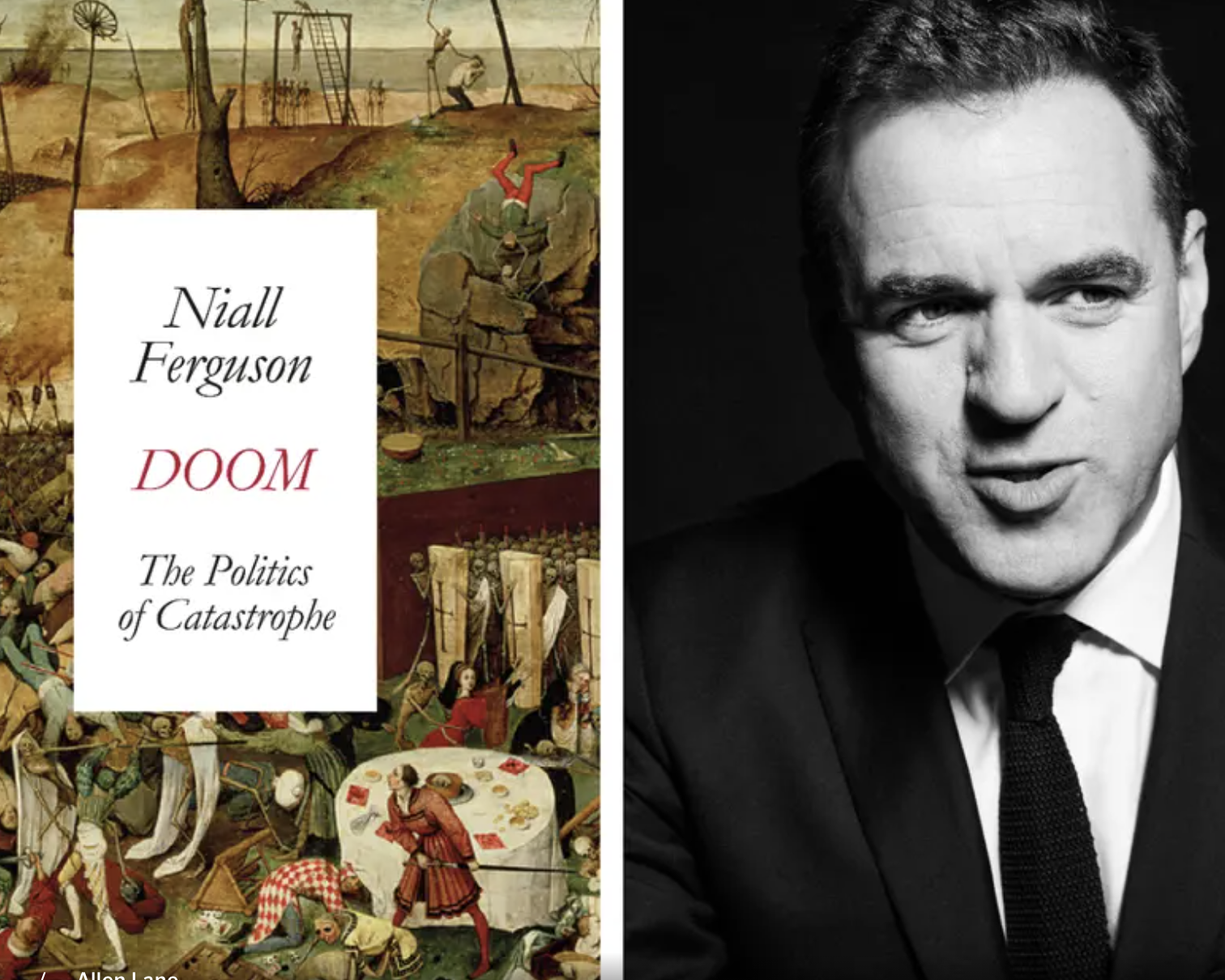
Doom: The Politics of Catastrophe by Niall Ferguson review
(Evening Standard) – From plagues and volcanic eruptions to the current Covid pandemic, mankind has always been faced with catastrophes.
Thought Leader: Niall Ferguson

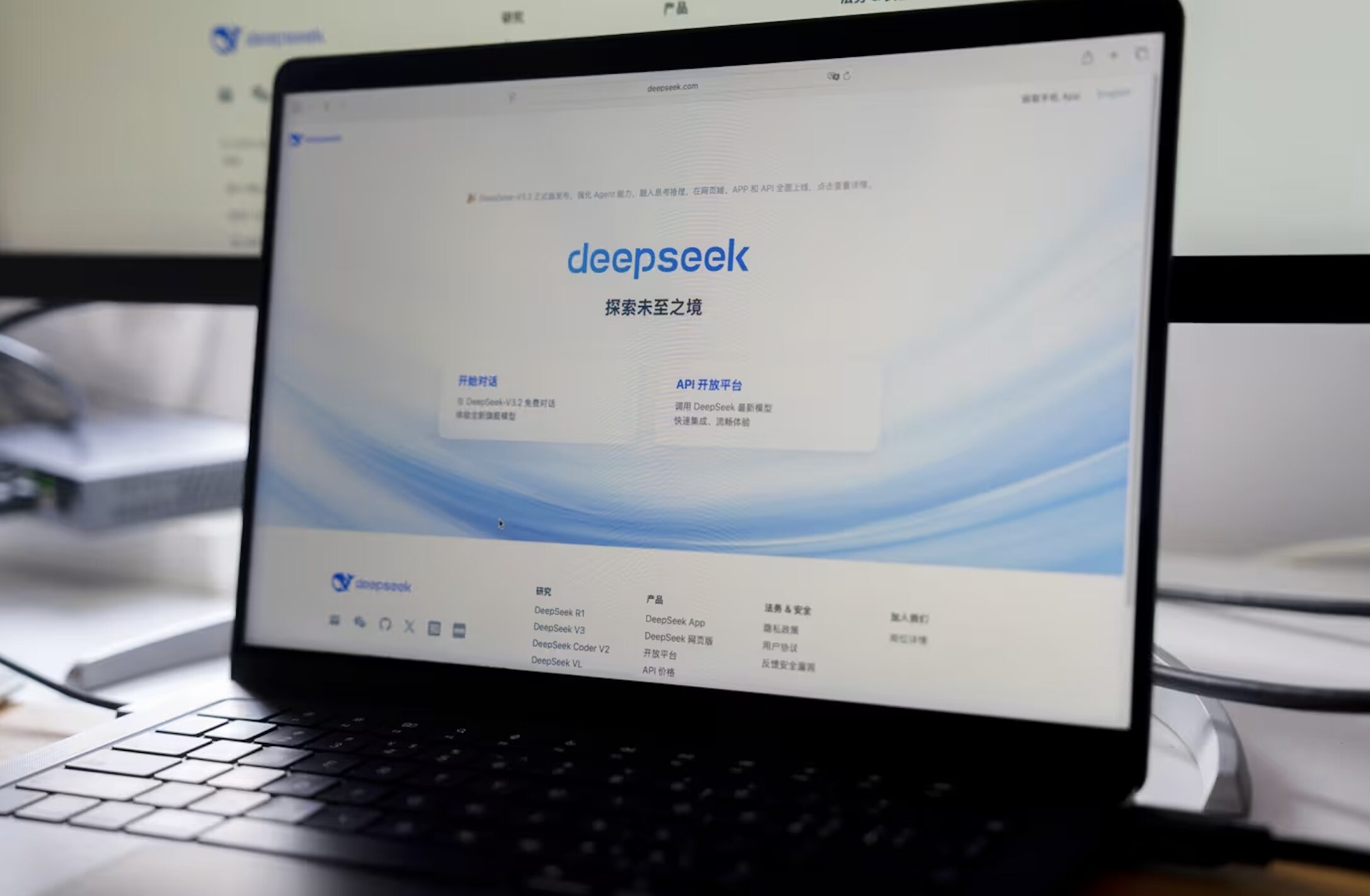
One Year After DeepSeek, America’s AI Lead Still Holds
When Chinese AI lab DeepSeek released its R1 reasoning model last year, markets panicked. Nearly $1 trillion was erased from U.S. equities, and Nvidia suffered a historic one-day selloff. The fear was simple but dramatic: China had found a way to build advanced AI with far fewer chips, threatening America’s dominance in AI and semiconductors.
A year later, those fears haven’t materialized.
In a new analysis for Barron’s, Chip War author Chris Miller explains why U.S. AI leadership remains firmly intact. While DeepSeek’s reasoning breakthrough was real, it didn’t overturn the core economics of AI. Reasoning models still require enormous computing power—and they’ve been layered on top of even larger pretraining systems, not used as replacements. Recent releases from Google and Anthropic show that more compute continues to deliver better performance.
Despite headlines about “free” open-source models, Miller notes that advanced AI is anything but free to run. Large-scale users still pay for higher-quality, closed models from U.S. leaders like OpenAI, which continue to dominate usage. Data suggests roughly three-quarters of AI activity still flows through closed-source U.S. models, while Chinese open models have mainly displaced other open-source competitors—not American leaders.
Perhaps the most telling evidence comes from DeepSeek itself. In a recent technical paper, the company acknowledged that closed-source models are pulling away faster—largely because they’re trained with far more chips. In other words, access to compute still matters, and the U.S. has it.
The verdict, one year on: DeepSeek sparked a media storm, not a structural shift. By every measurable metric—chips, model quality, investment, and adoption—American AI firms remain in front.
Visit Barrons to read the full article and explore Chris Miller’s analysis on why U.S. AI leadership remains firmly in place—one year after the DeepSeek shock.
Professor Chris Miller is a geopolitical expert who talks about the origin, impact, and future of AI. He is the author of Chip War: The Fight for the World’s Most Critical Technology, a book that explains how computer chips have made the modern world—and how the U.S. and China are struggling for control over this fundamental technology. Chip War won Financial Times’ Best Business Book of the Year award. Breaking down the motives behind international politics and economics in a thoughtful and concise manner, Miller provides audiences with fresh, alternative perspectives and leaves them wanting to know more. Contact WWSG to host him at your next event.
Doom: The Politics of Catastrophe by Niall Ferguson review
(Evening Standard) – From plagues and volcanic eruptions to the current Covid pandemic, mankind has always been faced with catastrophes.
Thought Leader: Niall Ferguson
Scott Gottlieb: How well can AI chatbots mimic doctors in a treatment setting?
This is an Op-ed by WWSG exclusive thought leader, Dr. Scott Gottlieb. Many consumers and medical providers are turning to chatbots, powered by large language…
Thought Leader: Scott Gottlieb
Sara Fischer: The AI-generated disinformation dystopia that wasn’t
This piece is by WWSG exclusive thought leader, Sara Fischer. Amid the craziest news cycle in recent memory, AI-generated deepfakes have yet to become the huge truth…
Thought Leader: Sara Fischer
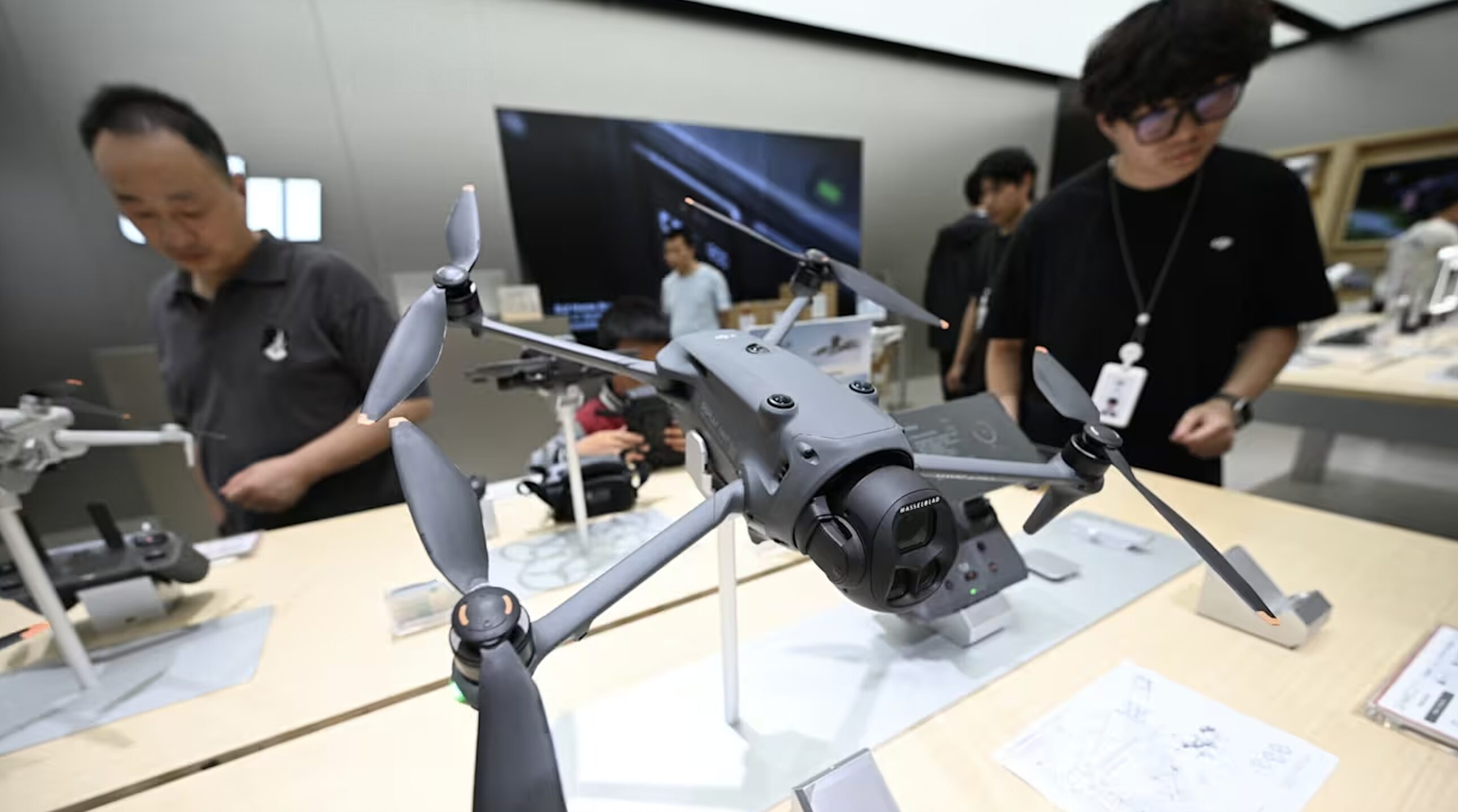
Chris Miller: America’s drone dilemma
Thought Leader: Chris Miller
Chris Miller: Does Manufacturing Matter?
Thought Leader: Chris Miller
Chris Miller: Putin Isn’t in It for the Money
Thought Leader: Chris Miller