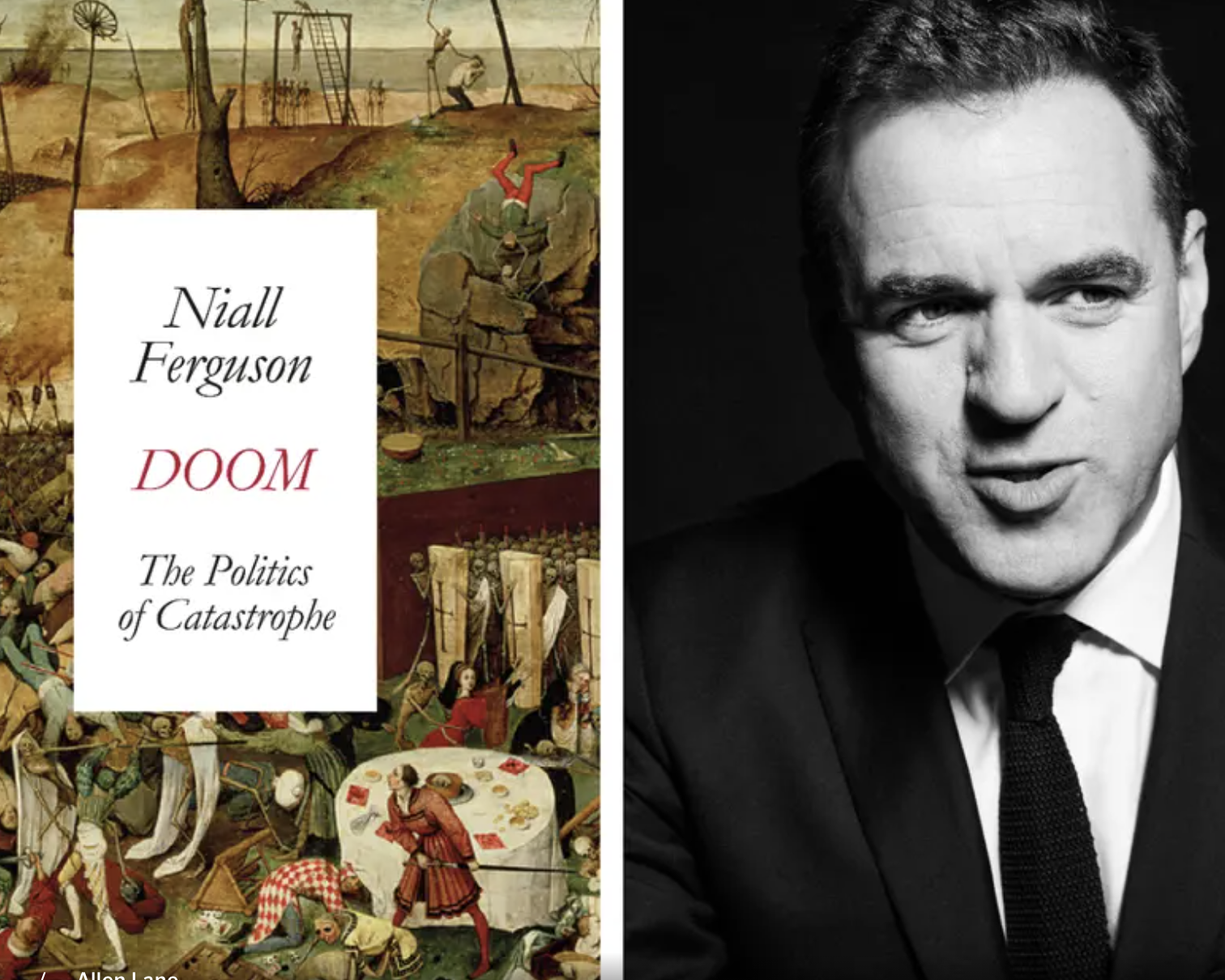
Doom: The Politics of Catastrophe by Niall Ferguson review
(Evening Standard) – From plagues and volcanic eruptions to the current Covid pandemic, mankind has always been faced with catastrophes.
Thought Leader: Niall Ferguson

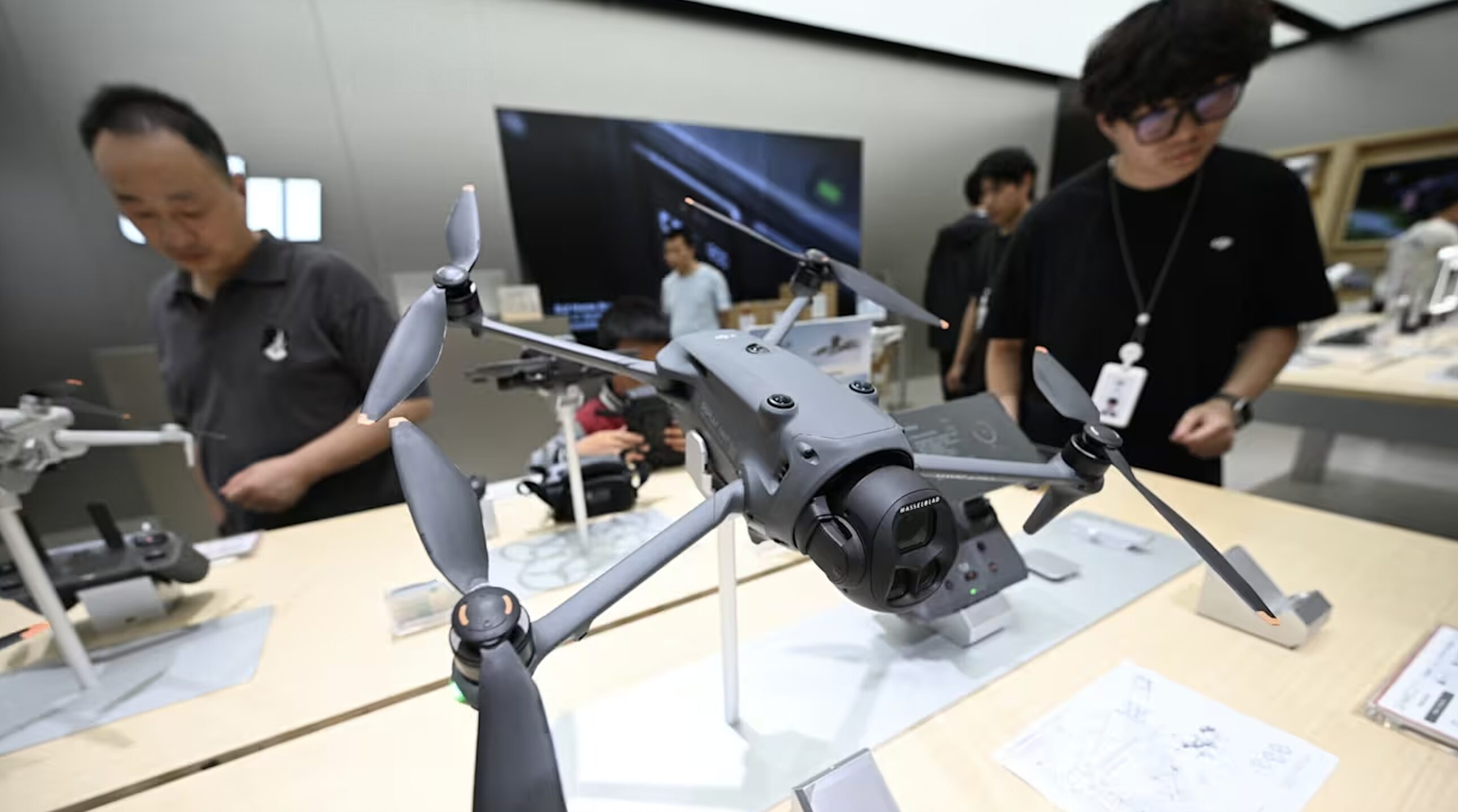
In a major escalation of Washington’s technology competition with Beijing, the U.S. Federal Communications Commission has effectively shut Chinese drone makers out of the American market. By adding foreign-made drones and key components to its “Covered List” of equipment deemed a national security risk, the FCC has dealt a serious blow to China’s drone champion DJI and opened new space for U.S. manufacturers.
As Chris Miller, author of Chip War, explains, the move signals a broader shift in how the U.S. may confront China’s dominance in critical technologies. Rather than relying primarily on tariffs or export controls, Washington is increasingly using targeted import bans through regulatory agencies with wide authority over communications and infrastructure.
The decision also reflects growing alarm over America’s dependence on China for drone supply chains. The war in Ukraine has exposed serious gaps in U.S. drone production, while China’s control over key components like batteries and motors has already disrupted American manufacturers. Past efforts to counter this dominance through tariffs proved ineffective, as Chinese firms rapidly rerouted production through third countries.
The FCC’s action highlights how globalized supply chains have blunted traditional trade tools—and why policymakers are now turning to more precise restrictions. With Congress considering expanded powers to block Chinese technology across sectors such as robotics, energy, and data centers, drones may be just the beginning.
Read the full Financial Times analysis here to understand why targeted import bans could become a defining feature of the next phase of the U.S.–China tech war.
Professor Chris Miller is a geopolitical expert who talks about the origin, impact, and future of AI. He is the author of Chip War: The Fight for the World’s Most Critical Technology, a book that explains how computer chips have made the modern world—and how the U.S. and China are struggling for control over this fundamental technology. Chip War won Financial Times’ Best Business Book of the Year award. Breaking down the motives behind international politics and economics in a thoughtful and concise manner, Miller provides audiences with fresh, alternative perspectives and leaves them wanting to know more. Contact WWSG to host him at your next event.
Doom: The Politics of Catastrophe by Niall Ferguson review
(Evening Standard) – From plagues and volcanic eruptions to the current Covid pandemic, mankind has always been faced with catastrophes.
Thought Leader: Niall Ferguson
Scott Gottlieb: How well can AI chatbots mimic doctors in a treatment setting?
This is an Op-ed by WWSG exclusive thought leader, Dr. Scott Gottlieb. Many consumers and medical providers are turning to chatbots, powered by large language…
Thought Leader: Scott Gottlieb
Sara Fischer: The AI-generated disinformation dystopia that wasn’t
This piece is by WWSG exclusive thought leader, Sara Fischer. Amid the craziest news cycle in recent memory, AI-generated deepfakes have yet to become the huge truth…
Thought Leader: Sara Fischer
Chris Miller: Does Manufacturing Matter?
Thought Leader: Chris Miller