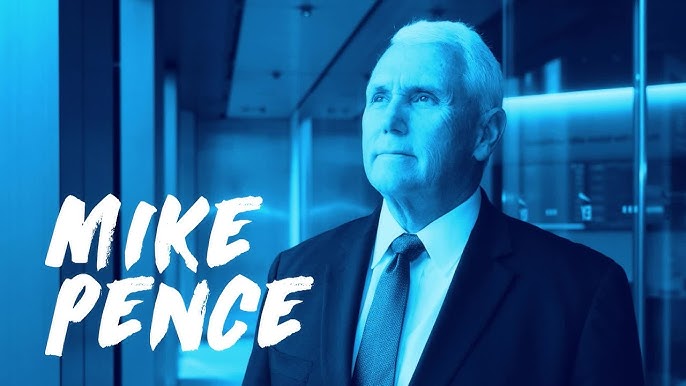
Mike Pence on Leadership and the Future of the Republican Party
Former US Vice President Mike Pence looks back on the events of January 6 2021, his final days in office with President Trump and his…
Thought Leader: Mike Pence


With the debt ceiling debate behind them for another two years, vulnerable lawmakers in swing districts — from both parties — are breathing a sigh of relief.
Why it matters: Both sides risked potential backlash from their respective ideological flanks, but many feel they came out with a compromise that projects serious governance and puts them on a stronger political footing.
Go deeper: Debt ceiling fights carry monumental political and financial peril, something many lawmakers fear would be heightened in the heat of an election year.
Details: The bill House Republicans passed in April — the Limit, Save, Grow Act — would have lifted the debt ceiling by $1.5 trillion or until March 2024, dropping the issue into the heart of the 2024 primary calendar.
What they’re saying: “One critical piece in the deal that is not being looked at as a positive for the Democrats, but I view it as a tremendous positive and a win … is that we’re raising the debt ceiling for two years,” said Rep. Jared Moskowitz (D-Fla.).
By the numbers: Congress hasn’t taken a vote to raise or suspend the debt ceiling in an election year since 2014. The last time it took one in a presidential election year was 2012.
Reality check: The House campaign committees targeted their rivals over debt ceiling votes — Democrats hitting Republicans on voting to cut benefits for veterans, Republicans hitting Democrats for opposing any spending cuts — but there’s little expectation these votes will be major factors in the 2024 campaign messaging.
The intrigue: Moskowitz, who won by just 5 points in 2022, said he does plan to incorporate the debt ceiling into his campaign message — arguing a vote for Democrats is a “vote for normalcy” on the issue.
The bottom line: Historically, big compromises between a Democratic president and conservative Congress benefit the incumbents.
Mike Pence on Leadership and the Future of the Republican Party
Former US Vice President Mike Pence looks back on the events of January 6 2021, his final days in office with President Trump and his…
Thought Leader: Mike Pence
Marc Short on U.S. Investment in Critical Minerals
Why do critical minerals matter now? Marc Short explains how U.S. investment in critical minerals fits into a broader strategy around economic security, manufacturing, and…
Thought Leader: Marc Short
Marc Short on AI Policy and the Government’s Role in Chip Technology Investment
On CNBC, Marc Short breaks down the role of AI policy and how government investment is shaping the future of chip technology. A former Chief…
Thought Leader: Marc Short
Josh Kraushaar: Hostage Deal and Ceasefire
Thought Leader: Josh Kraushaar