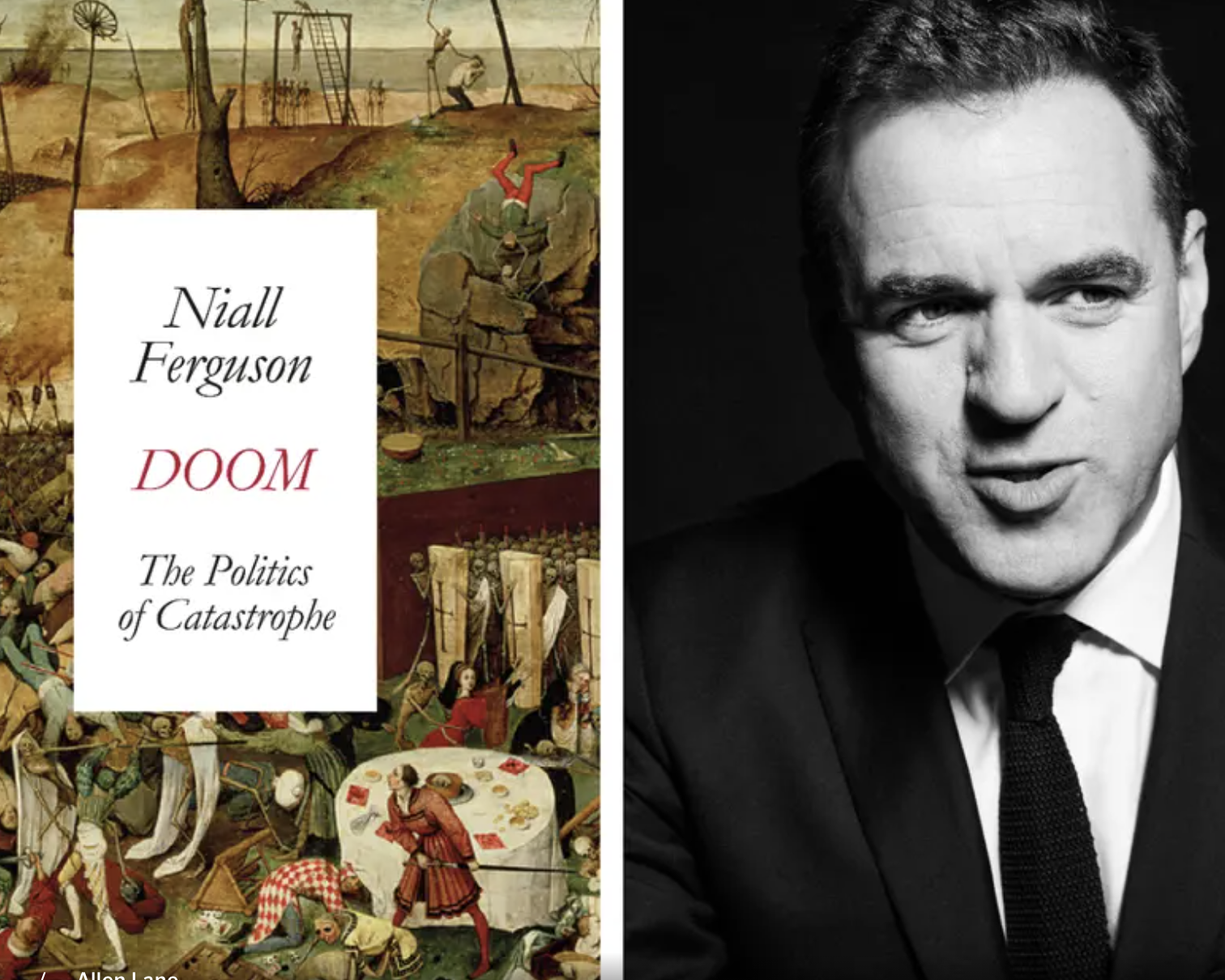
Doom: The Politics of Catastrophe by Niall Ferguson review
(Evening Standard) – From plagues and volcanic eruptions to the current Covid pandemic, mankind has always been faced with catastrophes.
Thought Leader: Niall Ferguson

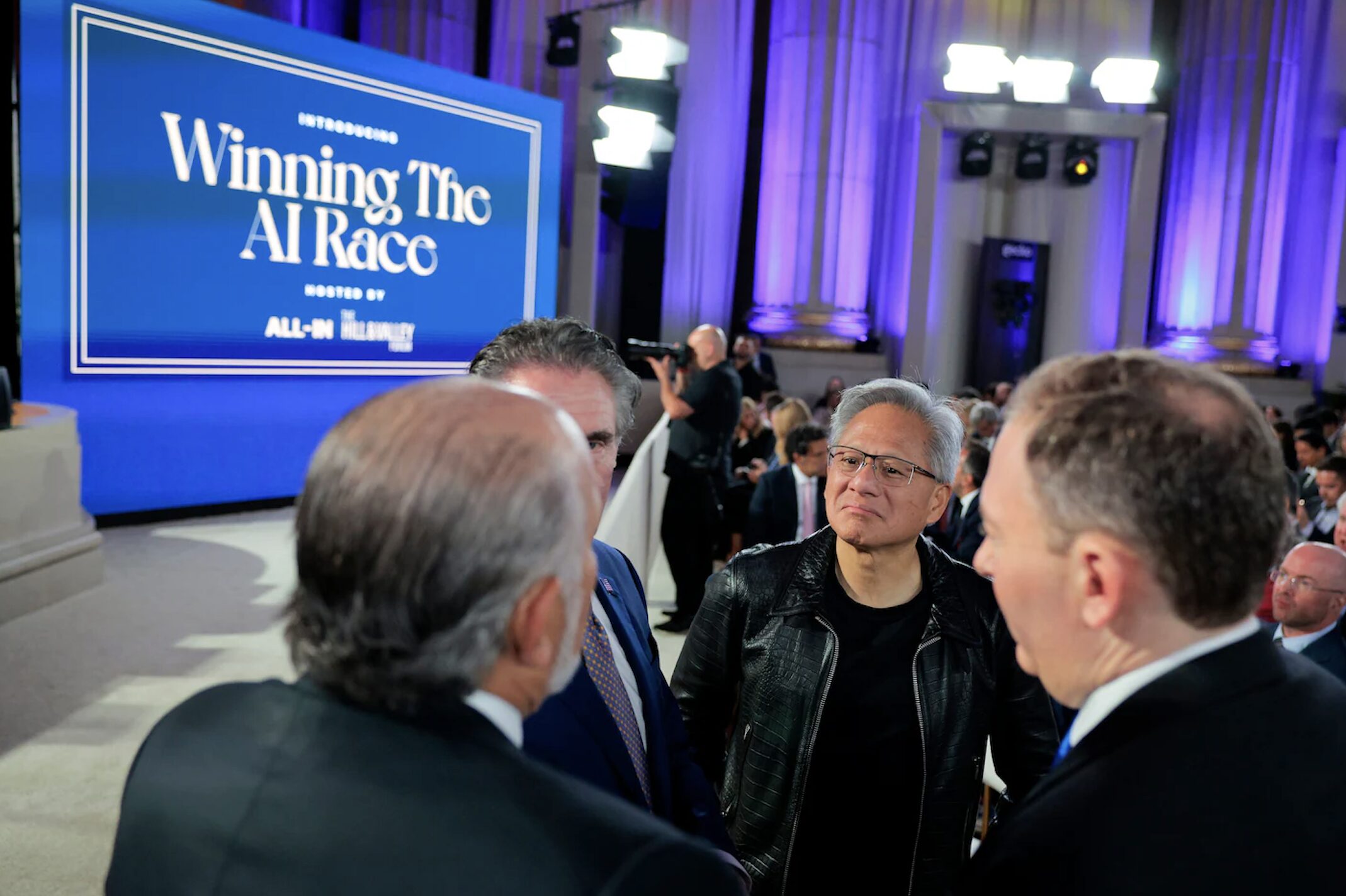
In a new article, “Allowing China access to advanced semiconductors puts national security and U.S. AI industry at risk,”Chris Miller — author of Chip War — breaks down the escalating Washington debate over AI chips, export controls, and the future of U.S. technological leadership.
Miller outlines how the year has been marked by intense internal disagreements inside the Trump administration, culminating in President Donald Trump’s decision to allow sales of Nvidia’s H200 chips to China. Competing factions argue either for tightening restrictions to protect national security or for loosening rules to help U.S. chipmakers maintain market share.
The debate has spilled into Congress, where bipartisan lawmakers are advancing multiple proposals to formalize limits on the export of advanced AI chips. Measures such as the Gain AI Act and the newly introduced Safe Chips Act aim to give Congress more oversight and codify controls currently shaped by executive action. Although the White House pushed back against some provisions, Miller notes that these efforts are gaining traction.
For the first time, major tech companies are joining the call for stronger guardrails. After years of chip shortages and growing concern over competition from Chinese cloud firms, companies like Microsoft, Amazon, and Anthropic publicly supported the Gain AI Act. Their stance reflects rising worry that unrestricted access to cutting-edge U.S. chips could bolster Chinese cloud providers and reshape global market dynamics.
Miller emphasizes that the core dilemma is determining which part of the technology stack should be controlled: chipmaking tools, semiconductor exports, or AI-enabled cloud services. Each choice benefits some U.S. companies while disadvantaging others. And while the Trump administration highlights export tariffs as a safeguard, many tech leaders argue that broader economic and security risks remain.
Overall, Miller concludes that a growing share of America’s AI industry now sees unrestricted chip sales to China as a threat not only to national security but also to U.S. business competitiveness.
Read the full Washington Post article here.
Professor Chris Miller is a geopolitical expert who talks about the origin, impact, and future of AI. He is the author of Chip War: The Fight for the World’s Most Critical Technology, a book that explains how computer chips have made the modern world—and how the U.S. and China are struggling for control over this fundamental technology. Chip War won Financial Times’ Best Business Book of the Year award. Breaking down the motives behind international politics and economics in a thoughtful and concise manner, Miller provides audiences with fresh, alternative perspectives and leaves them wanting to know more. Contact WWSG to host him at your next event.
Doom: The Politics of Catastrophe by Niall Ferguson review
(Evening Standard) – From plagues and volcanic eruptions to the current Covid pandemic, mankind has always been faced with catastrophes.
Thought Leader: Niall Ferguson
One reason so many are quitting: We want control over our lives again
The pandemic, and the challenges of balancing life and work during it, have stripped us of agency. Resigning is one way of regaining a sense…
Thought Leader: Amy Cuddy
Scott Gottlieb: How well can AI chatbots mimic doctors in a treatment setting?
This is an Op-ed by WWSG exclusive thought leader, Dr. Scott Gottlieb. Many consumers and medical providers are turning to chatbots, powered by large language…
Thought Leader: Scott Gottlieb
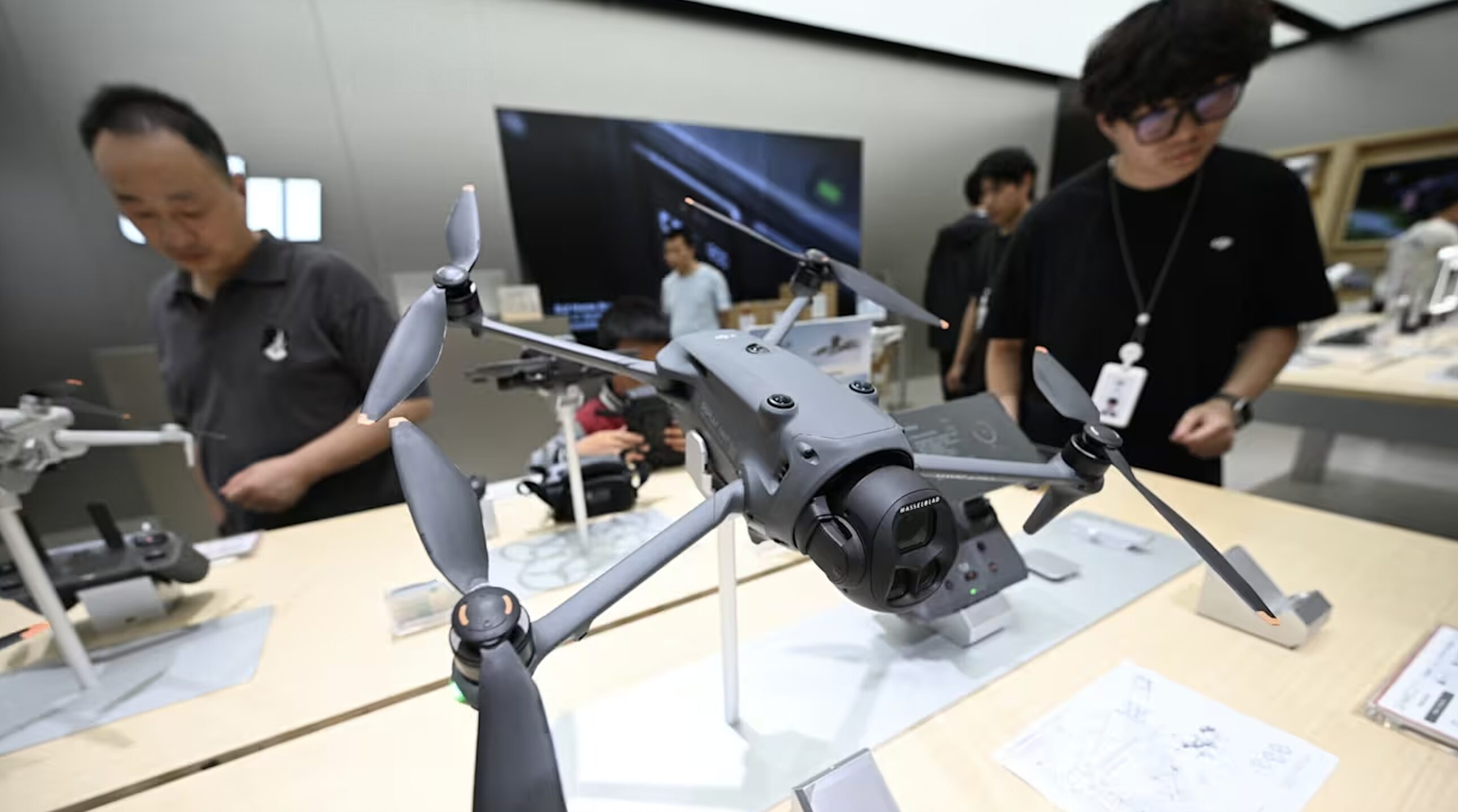
Chris Miller: America’s drone dilemma
Thought Leader: Chris Miller
Chris Miller: Does Manufacturing Matter?
Thought Leader: Chris Miller