Time to end secret data laboratories—starting with the CDC
The American people are waking up to the fact that too many public health leaders have not always been straight with them. Despite housing treasure…
Thought Leader: Marty Makary


In a wide-ranging analysis, Chris Miller explores one of the most consequential economic debates facing the U.S. and Europe: whether reindustrialization is essential for long-term strength, or whether advanced economies should accept a shift toward high-value services.
Responding to arguments that manufacturing decline need not signal economic decay, Miller questions the assumption that manufacturing is a dependable source of jobs or productivity growth in rich economies. He notes that manufacturing accounts for a relatively small share of U.S. employment and is increasingly automated, limiting its impact as a jobs engine. He also points to the U.S. economy’s strong performance despite decades of deindustrialization.
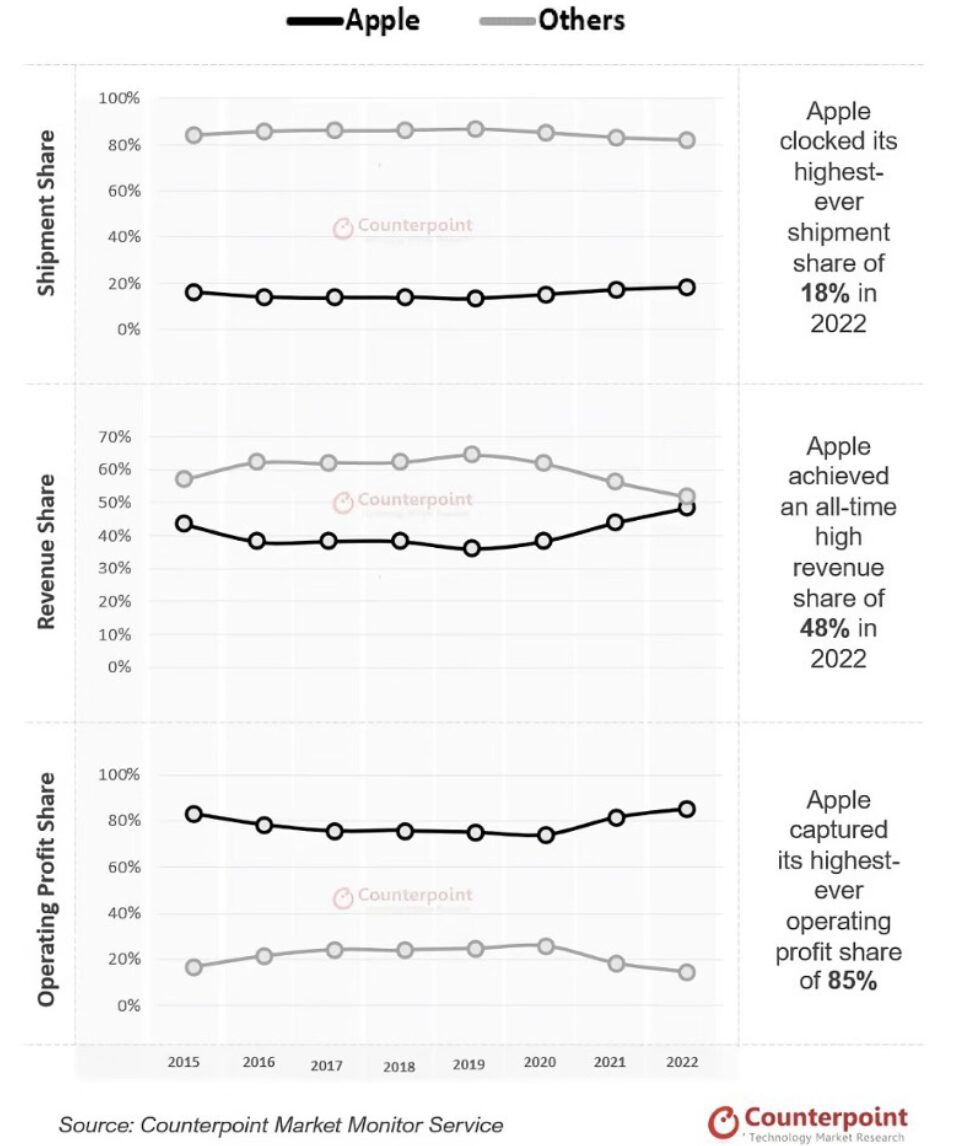
Miller’s case sharpens when he draws on Patrick McGee’s work on Apple. Although Apple’s supply chain is deeply embedded in China, most economic value continues to accrue to Apple itself. Chinese firms dominate smartphone manufacturing by volume, yet Apple captures the vast majority of global profits—underscoring that manufacturing location alone does not determine value creation.
Where manufacturing does matter, Miller argues, is geopolitics and national security. Certain capabilities—from chips to critical materials—carry strategic importance. But he cautions against broad, unfocused reindustrialization, urging policymakers to confront trade-offs around monopolization risk, crisis shiftability, ecosystem effects, and opportunity cost. As 2026 approaches, Miller leaves readers with a clear challenge: understanding not just whether manufacturing matters, but when, where, and how much.
Read the full article here to explore Chris Miller’s complete analysis and conclusions.
Professor Chris Miller is a geopolitical expert who talks about the origin, impact, and future of AI. He is the author of Chip War: The Fight for the World’s Most Critical Technology, a book that explains how computer chips have made the modern world—and how the U.S. and China are struggling for control over this fundamental technology. Chip War won Financial Times’ Best Business Book of the Year award. Breaking down the motives behind international politics and economics in a thoughtful and concise manner, Miller provides audiences with fresh, alternative perspectives and leaves them wanting to know more. Contact WWSG to host him at your next event.
Time to end secret data laboratories—starting with the CDC
The American people are waking up to the fact that too many public health leaders have not always been straight with them. Despite housing treasure…
Thought Leader: Marty Makary
One reason so many are quitting: We want control over our lives again
The pandemic, and the challenges of balancing life and work during it, have stripped us of agency. Resigning is one way of regaining a sense…
Thought Leader: Amy Cuddy
Scott Gottlieb: How well can AI chatbots mimic doctors in a treatment setting?
This is an Op-ed by WWSG exclusive thought leader, Dr. Scott Gottlieb. Many consumers and medical providers are turning to chatbots, powered by large language…
Thought Leader: Scott Gottlieb
Chris Miller: America’s drone dilemma
Thought Leader: Chris Miller