Dr. Sanjay Gupta: Should You Eat Before or After Strength-Training?
Strength training can be confusing enough on its own. But mix in what —and when— to eat, and you might just choose to sit on the couch…
Thought Leader: Sanjay Gupta

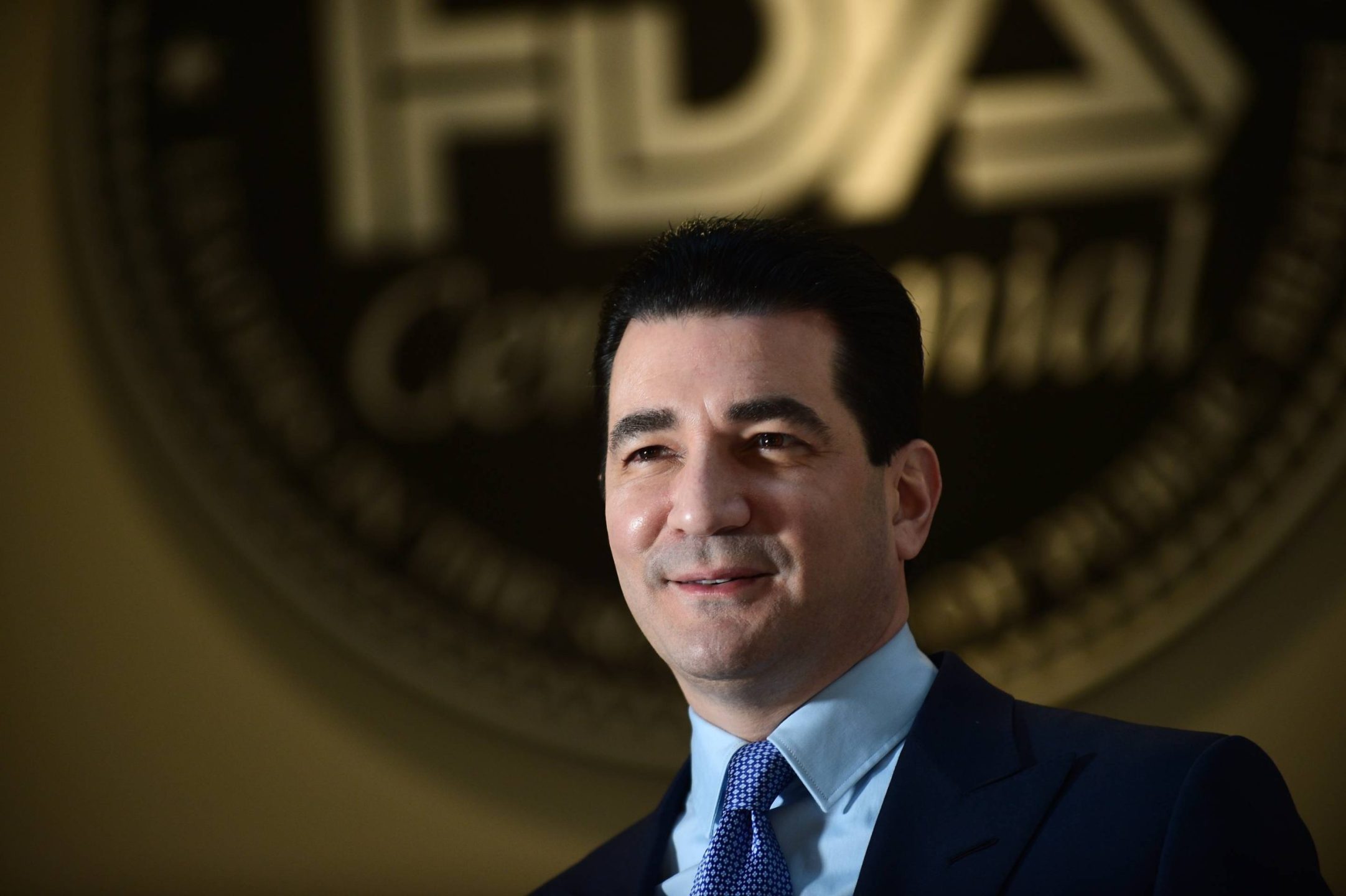
By Scott Gottlieb (Original source CNBC)
“Science offers the chance to cure debilitating and once-intractable disorders like hemophilia and sickle cell disease. But we need to make sure the ability to access these therapies, or the risk that someone can be locked out of them, doesn’t widen gaps between the rich and poor.
Many inherited disorders can perpetuate poverty by leading to disabilities that disrupt people’s ability to work. In turn, someone’s capacity to secure an effective new cure for these diseases can mean the difference between a life led productively, or one plagued by infirmity.
Gene therapies and other treatments that can cure — not just treat — disease are going to be expensive. All of the cost of innovating and reaping an economic return may need to be recouped in a single payment. Insurance pools that are on a fixed budget are going to struggle to make sure everyone living with a disease can be rapidly cured when a safe and effective treatment comes along.”
Click here to see more
Dr. Sanjay Gupta: Should You Eat Before or After Strength-Training?
Strength training can be confusing enough on its own. But mix in what —and when— to eat, and you might just choose to sit on the couch…
Thought Leader: Sanjay Gupta
Chris Miller: The Supply Chain Risk to U.S. Quantum Leadership
The winner of the race for the futuristic tech could be determined by supply-chain bottlenecks. In this Washington Post analysis, Chris Miller and Josh Zoffer…
Thought Leader: Chris Miller
Alex Honnold Completes His Free Solo Of Taipei 101
ALEX HONNOLD AFTER COMPLETING HIS FREE SOLO OF TAIPEI 101. The 101 story climb took 1 hour and 31 minutes. Alex Honnold is a professional rock…
Thought Leader: Alex Honnold
Dr. Scott Gottlieb on Finding Cures for Rare Diseases
Thought Leader: Scott Gottlieb
Dr. Scott Gottlieb: What’s Next for Childhood Vaccines
Thought Leader: Scott Gottlieb
Scott Gottlieb on China’s biotech strategy
Thought Leader: Scott Gottlieb