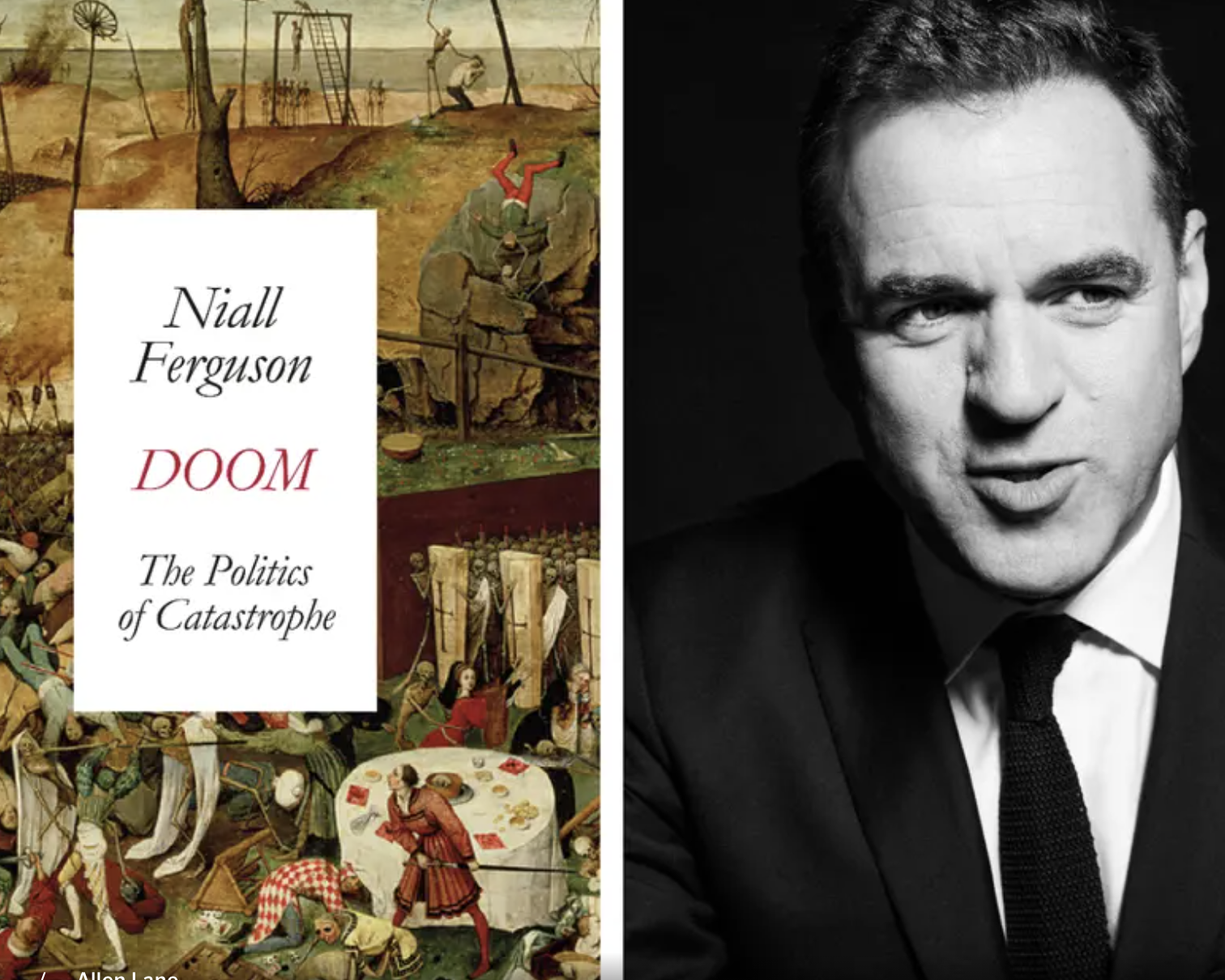
Doom: The Politics of Catastrophe by Niall Ferguson review
(Evening Standard) – From plagues and volcanic eruptions to the current Covid pandemic, mankind has always been faced with catastrophes.
Thought Leader: Niall Ferguson

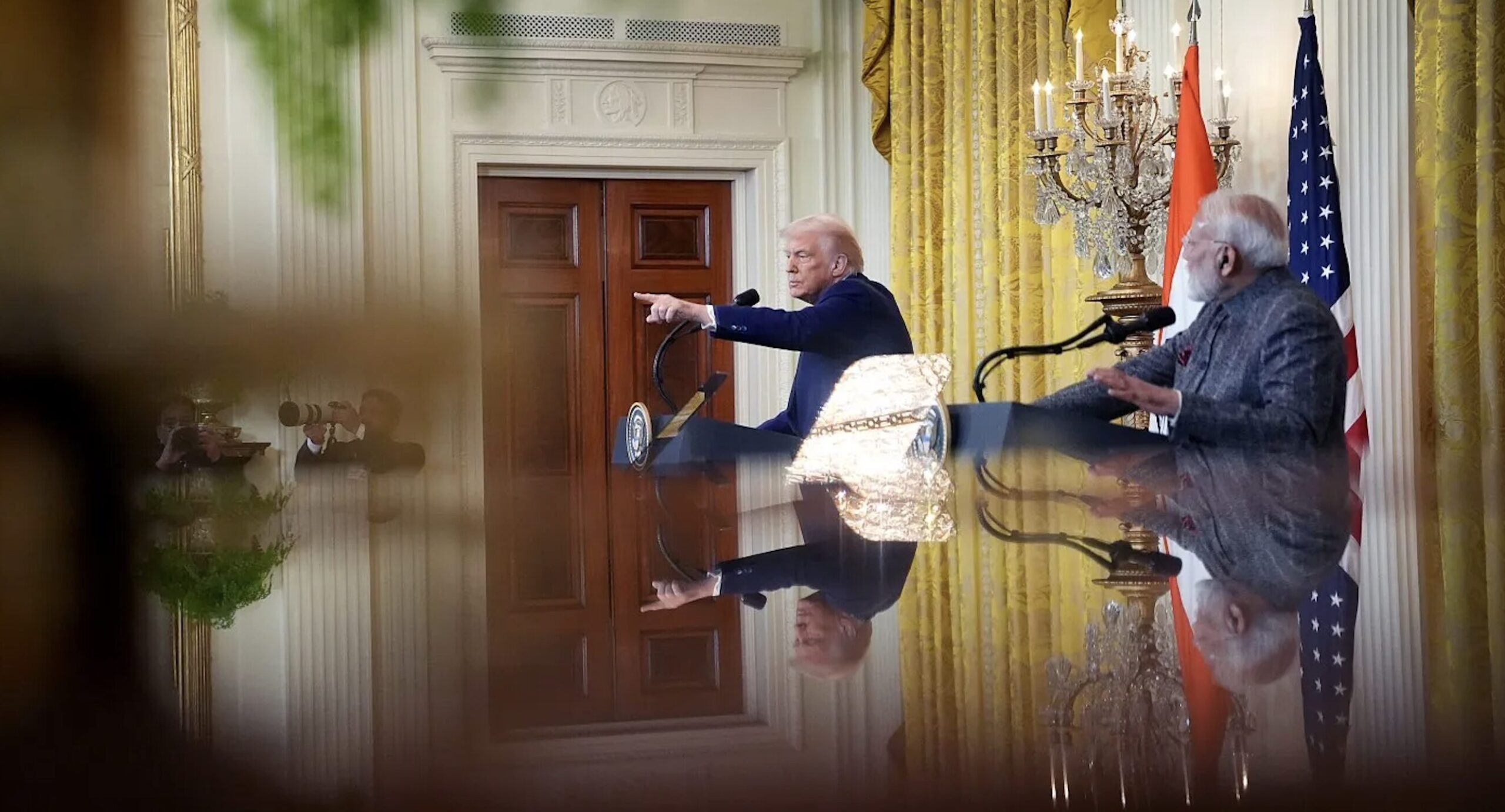
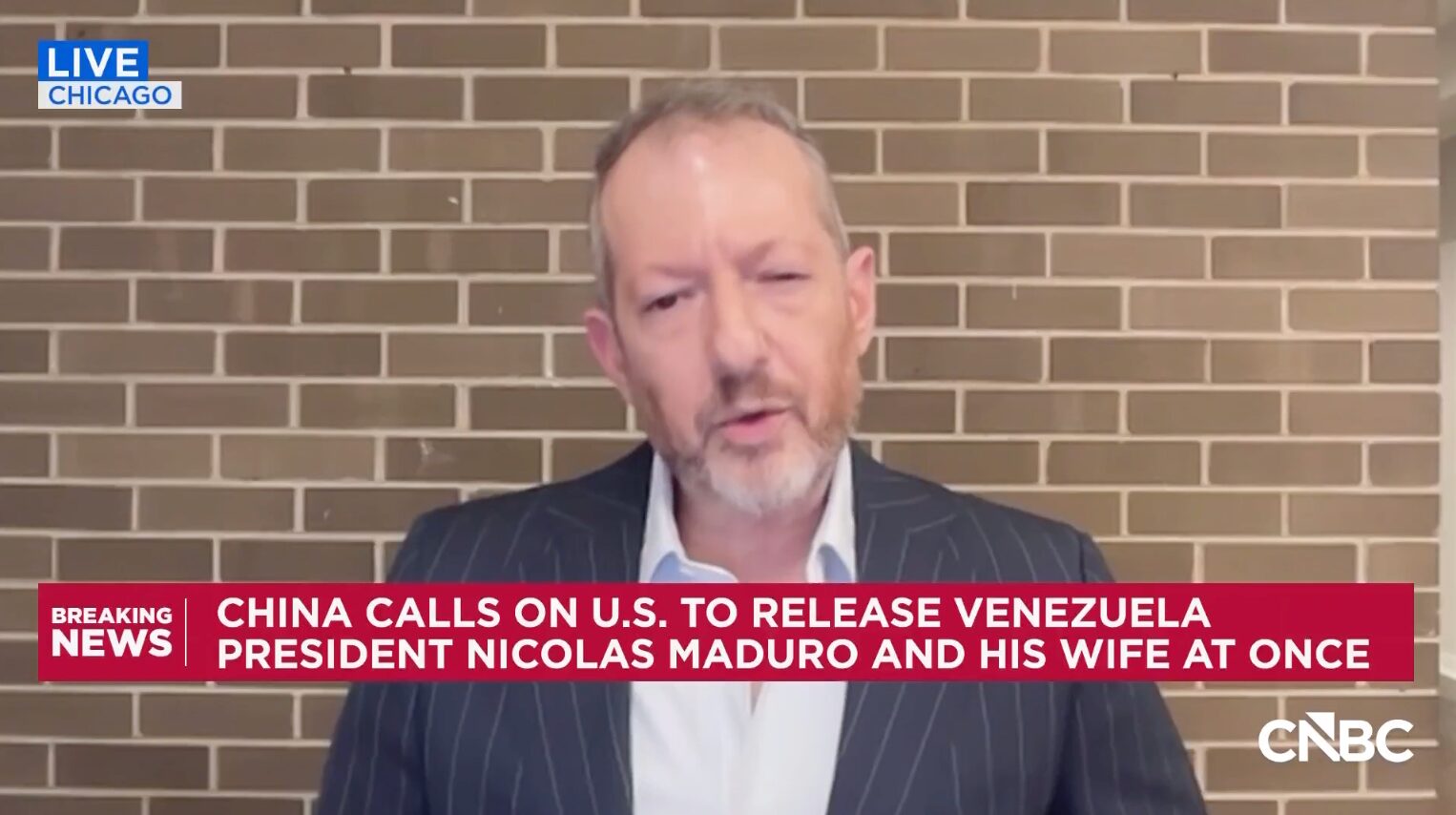
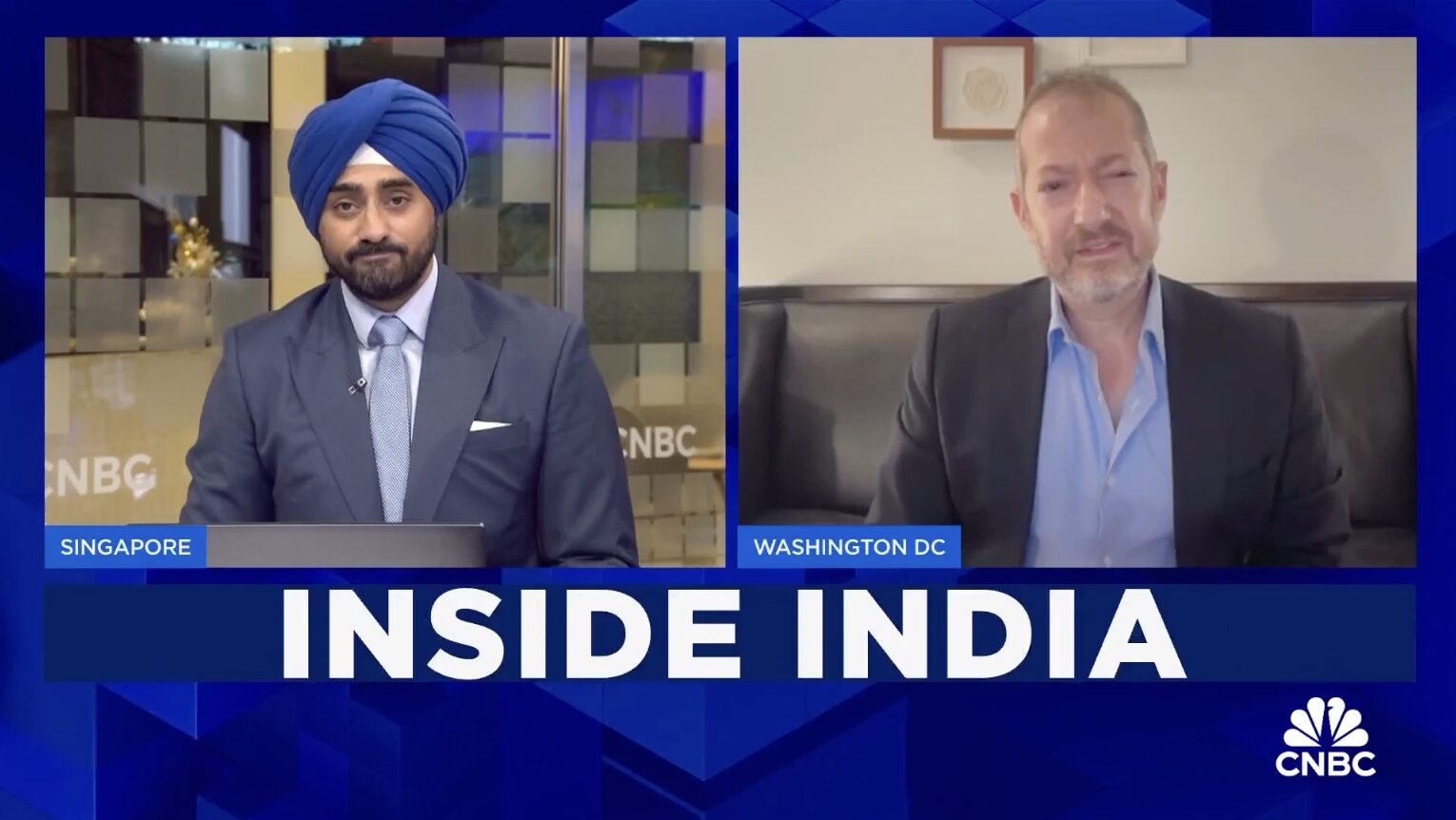
In a recent analysis, Evan A. Feigenbaum examines the newly announced U.S.–India trade deal, urging caution amid early celebration. While the agreement marks an important reset after months of strained relations, Feigenbaum argues it should be understood as a political “deal,” not a durable trade agreement—especially when compared to India’s far more comprehensive free trade pact with the European Union.
The U.S.–India arrangement remains light on detail and heavy on aspiration. Its headline feature—a reduction of U.S. tariffs on Indian exports from 50 percent to 18 percent—offers India short-term relief and a relative advantage over some regional competitors. Still, Feigenbaum stresses that such tariff levels were never sustainable to begin with and remain vulnerable to reversal, given President Trump’s track record of using tariffs as a blunt instrument across a wide range of political disputes.
Feigenbaum credits U.S. Ambassador Sergio Gor with stabilizing the relationship by prioritizing the removal of these punitive tariffs, helping avert a deeper diplomatic breakdown. But he warns against over-interpreting the deal’s promises, including India’s supposed commitment to purchasing $500 billion in U.S. goods or fully abandoning Russian oil—claims he views as largely aspirational and politically unrealistic for New Delhi.
Beyond the numbers, Feigenbaum highlights the broader strategic risk: the re-politicization of what had been one of the most stable bipartisan relationships in U.S. foreign policy. Recent attempts to tie tariffs to India’s third-party relationships, particularly with Russia, have weakened trust and set troubling precedents that may linger even as tensions ease.
Ultimately, Feigenbaum argues that while the deal is a necessary and welcome step away from an unsustainable impasse, it should be seen as a pause—not a resolution. U.S.–India relations are in a better place than they were months ago, but the long-term foundation of trust has been damaged. For now, both sides should take the win, temper expectations, and recognize that rebuilding confidence will take far more than a headline agreement.
Visit Carnegie Endowment for International Peace to read the full article.
Evan Feigenbaum, a former diplomat, has been an advisor to two American Secretaries of State, a former Treasury Secretary, the CEOs and boards of leading companies, and investment funds in all asset classes. He has negotiated with dictators and ex-guerillas, written a book on China as a high-tech superpower, and worked with and in countries from China to India, Australia to Kazakhstan. He is vice president for studies of the Carnegie Endowment for International Peace, the world’s oldest international affairs think tank. To host him for a speaking opportunity, contact WWSG.
Doom: The Politics of Catastrophe by Niall Ferguson review
(Evening Standard) – From plagues and volcanic eruptions to the current Covid pandemic, mankind has always been faced with catastrophes.
Thought Leader: Niall Ferguson
Michael Baker: Ukraine’s Faltering Front, Polish Sabotage Foiled, & Trump vs. Kamala
In this episode of The President’s Daily Brief with Mike Baker: We examine Russia’s ongoing push in eastern Ukraine. While Ukrainian forces continue their offensive…
Thought Leader: Mike Baker
Peter Zeihan: What Does the Future Hold for Taiwan and Semiconductors?
From Peter Zeihan: Taiwan has positioned itself as the dominant player in the semiconductor industry, but what would happen if a conflict with China broke…
Thought Leader: Peter Zeihan