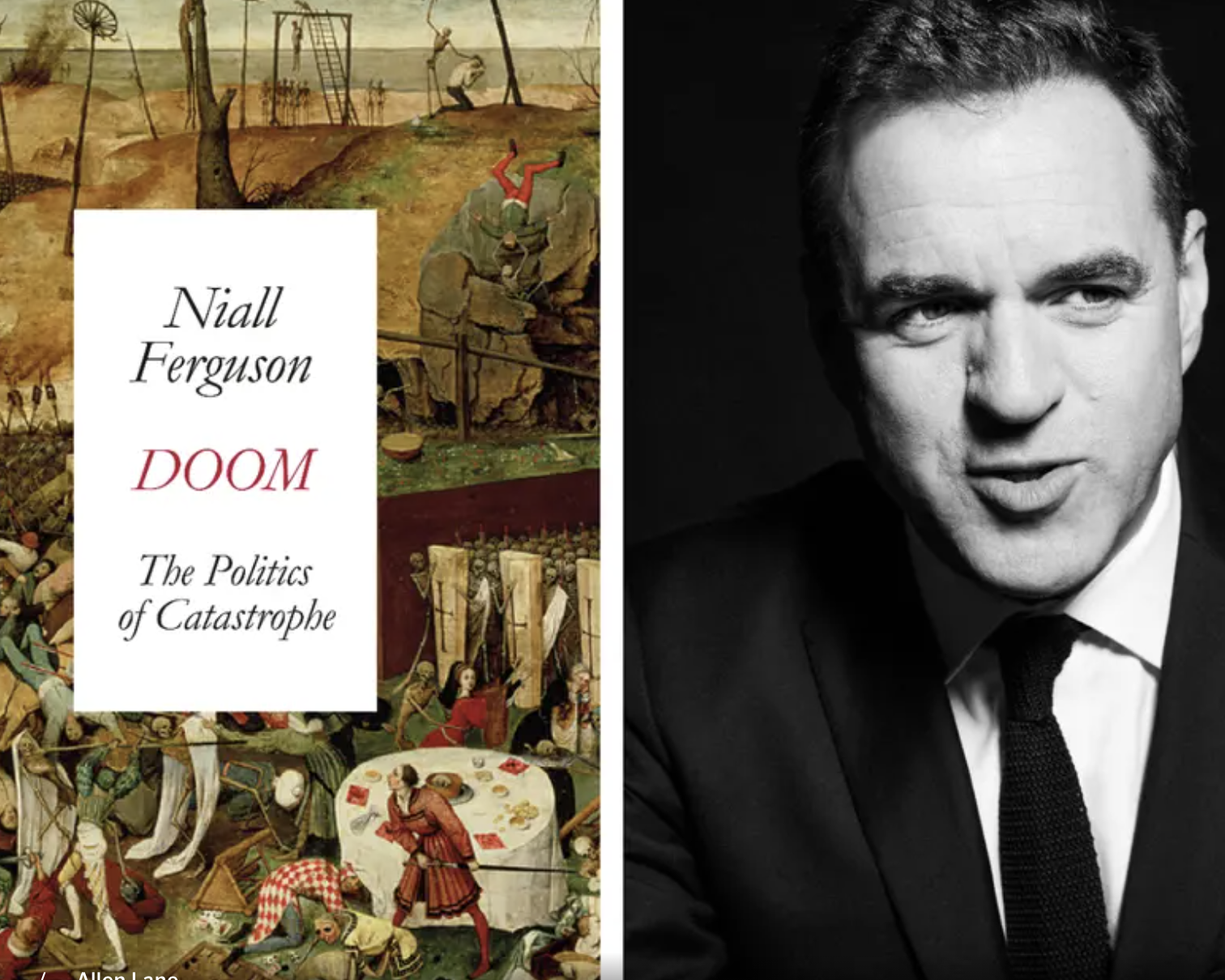
Doom: The Politics of Catastrophe by Niall Ferguson review
(Evening Standard) – From plagues and volcanic eruptions to the current Covid pandemic, mankind has always been faced with catastrophes.
Thought Leader: Niall Ferguson

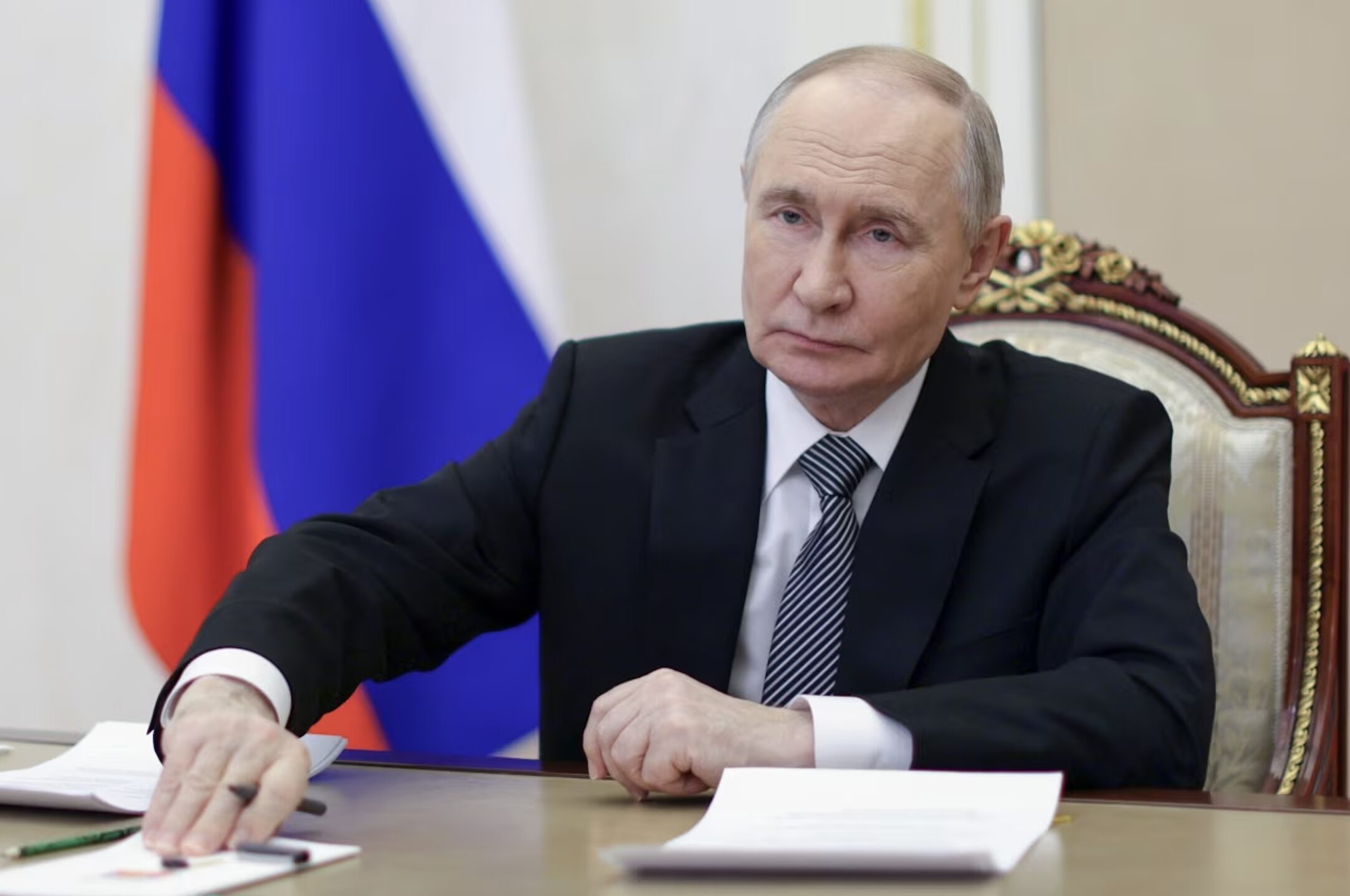
In this article, Chris Miller argues that Vladimir Putin has not accepted the Trump administration’s proposed peace plan for Ukraine because it misunderstands his fundamental objectives. While the plan offers substantial economic incentives—including sanctions relief, reintegration into the global economy, access to frozen foreign reserves, and U.S. investment—Miller contends that economic benefits are not what motivate Putin.
According to Miller, Putin’s primary aim is territorial control and imperial influence, with Ukraine serving as a critical step toward reasserting Russia’s great-power status. Russia’s economy, though under strain, has proven more resilient than expected. Oil revenues continue to flow, the trade balance remains in surplus, the ruble has largely held its prewar value, public debt is relatively low, and there is no immediate economic pressure forcing Putin to negotiate.
While the war is generating long-term economic costs—such as elevated defense spending and mounting hidden debt—these have not translated into an acute crisis. Miller notes that real incomes have reportedly risen and unemployment remains low, reducing any urgency for sanctions relief. Corruption among Russia’s political elite, including those close to Putin, does not outweigh his strategic ambitions.
Miller concludes that economic inducements are unlikely to alter Putin’s calculus. The 2022 invasion proceeded despite clear warnings about economic consequences, and financial incentives are unlikely to produce peace now. He argues that Putin will only agree to a cease-fire when he believes he cannot win militarily, and that offering economic concessions misunderstands the nature of Russia’s objectives in Ukraine.
Read Chris Miller’s full analysis here.
Professor Chris Miller is a geopolitical expert who talks about the origin, impact, and future of AI. He is the author of Chip War: The Fight for the World’s Most Critical Technology, a book that explains how computer chips have made the modern world—and how the U.S. and China are struggling for control over this fundamental technology. Chip War won Financial Times’ Best Business Book of the Year award. Breaking down the motives behind international politics and economics in a thoughtful and concise manner, Miller provides audiences with fresh, alternative perspectives and leaves them wanting to know more. Contact WWSG to host him at your next event.
Doom: The Politics of Catastrophe by Niall Ferguson review
(Evening Standard) – From plagues and volcanic eruptions to the current Covid pandemic, mankind has always been faced with catastrophes.
Thought Leader: Niall Ferguson
Time to end secret data laboratories—starting with the CDC
The American people are waking up to the fact that too many public health leaders have not always been straight with them. Despite housing treasure…
Thought Leader: Marty Makary
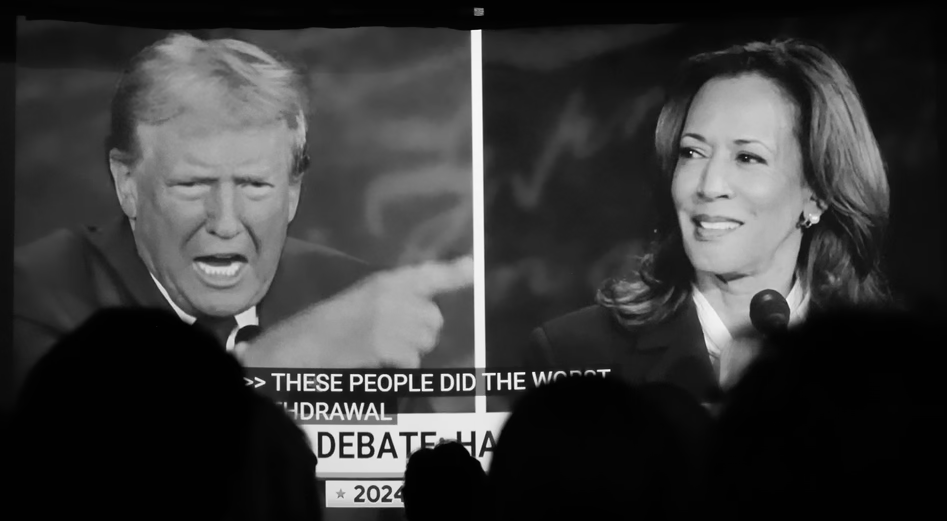
David Frum: How Harris Roped a Dope
This piece is by WWSG exclusive thought leader, David Frum. Vice President Kamala Harris walked onto the ABC News debate stage with a mission: trigger…
Thought Leader: David Frum
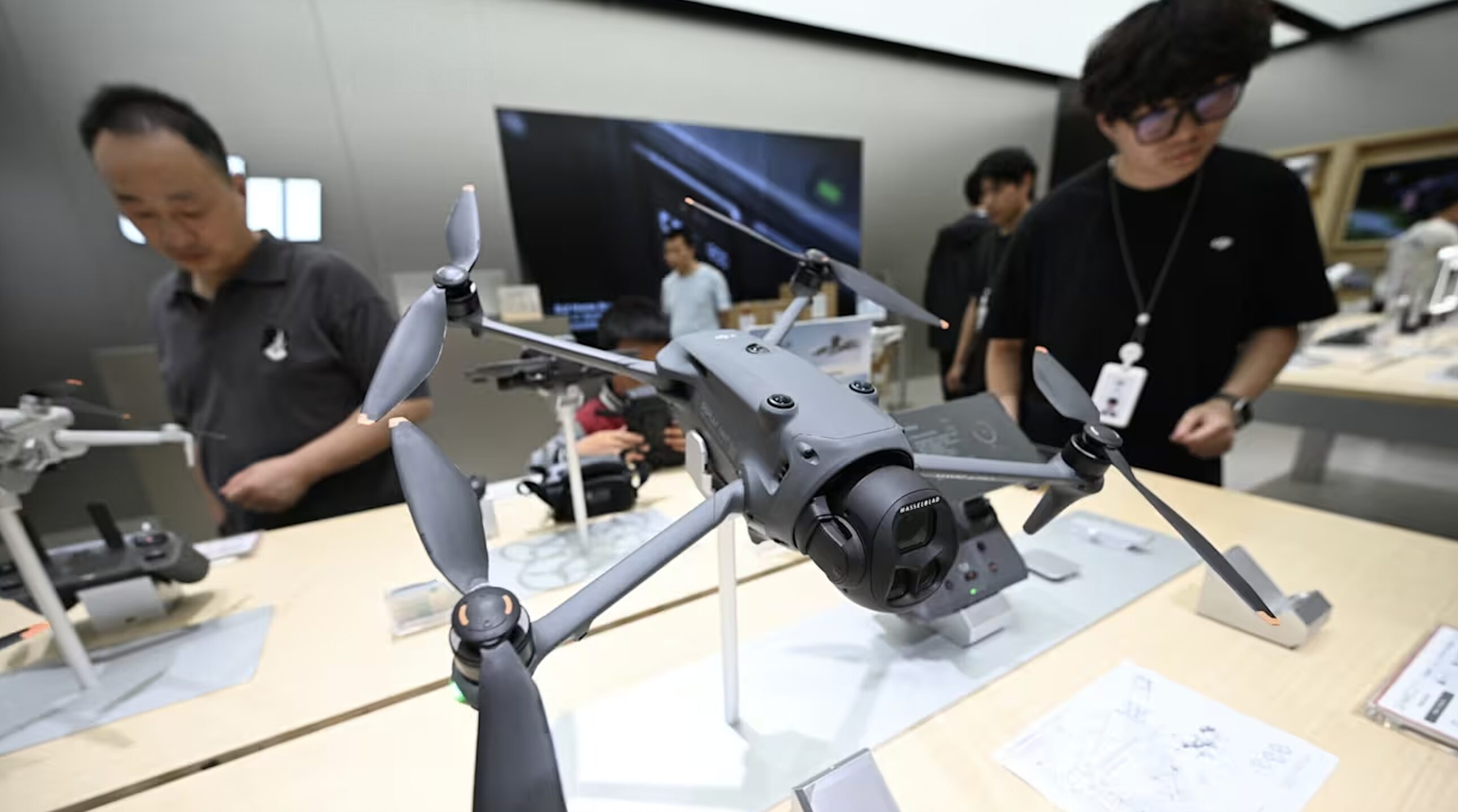
Chris Miller: America’s drone dilemma
Thought Leader: Chris Miller
Chris Miller: Does Manufacturing Matter?
Thought Leader: Chris Miller
Chris Miller: Trump’s Nvidia Chip Decision Lands Hard
Thought Leader: Chris Miller