One reason so many are quitting: We want control over our lives again
The pandemic, and the challenges of balancing life and work during it, have stripped us of agency. Resigning is one way of regaining a sense…
Thought Leader: Amy Cuddy

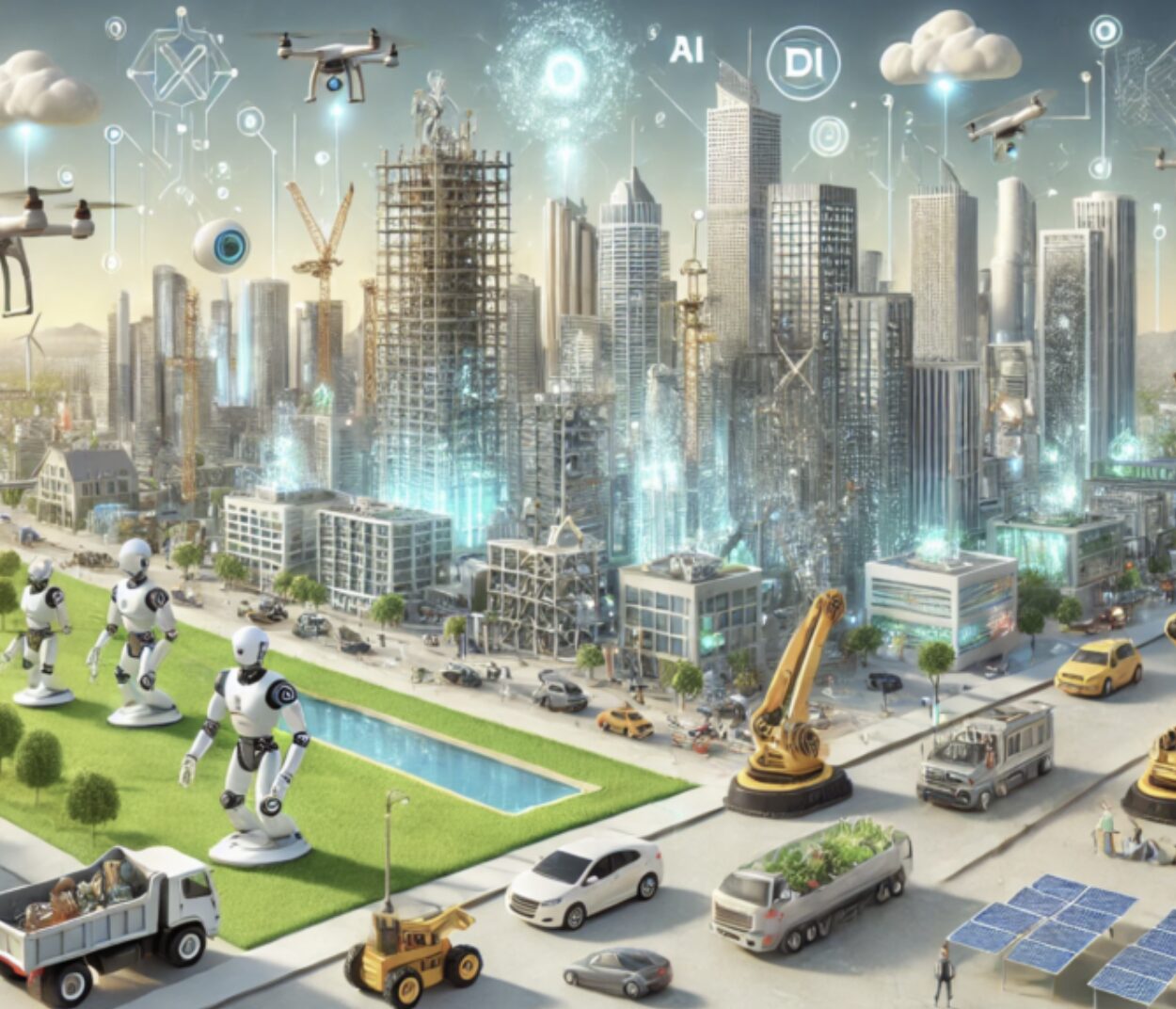
In this article, Andrew Busch examines how artificial intelligence is beginning to transform some of the world’s most traditionally slow-moving industries: construction, engineering, and commercial real estate. As cost pressures rise, labor shortages persist, and sustainability expectations grow, AI is emerging as a critical tool for improving efficiency, safety, and long-term performance across the built environment.
Busch highlights several key forces driving this shift:
AI is unlocking efficiency across construction, engineering, and CRE, enabling predictive analytics, automation, and advanced planning tools that reduce costs, improve safety, and accelerate project delivery.
Robotics and smart technologies are reshaping construction workflows, from 3D printing and automated monitoring to optimized resource allocation that supports faster timelines and more sustainable practices.
Predictive analytics are improving risk management and decision-making, using historical data to anticipate delays, identify hazards, and streamline resource management across complex projects.
Commercial real estate is seeing measurable efficiency gains, with AI-powered tools enhancing market forecasting, tenant management, and energy efficiency across portfolios.
Investment in AI-driven innovation is accelerating, as venture capital flows toward generative AI, smart city technologies, and sustainability-focused solutions poised to shape the future of urban development and infrastructure.
Busch ultimately positions AI as a foundational technology for the next phase of growth in the built world—one that will redefine how cities are designed, constructed, managed, and sustained in the decades ahead.
Read the full research article here for a deeper analysis.
Andrew Busch is an economist, futurist, and the first Chief Market Intelligence Officer for the U.S. government. Known for his highly engaging and insight-driven keynotes, Busch helps audiences make sense of economic uncertainty by translating complex data, policy shifts, and emerging trends into clear, actionable opportunities.
Drawing on deep research across the economy, public policy, elections, and transformative forces like AI, Busch connects today’s disruptions to tomorrow’s growth. His forward-looking perspective is grounded in venture capital investment patterns—offering a rare window into where markets, industries, and innovation are headed over the next decade. Bring Andrew Busch to your next keynote event with WWSG. Contact us today.
One reason so many are quitting: We want control over our lives again
The pandemic, and the challenges of balancing life and work during it, have stripped us of agency. Resigning is one way of regaining a sense…
Thought Leader: Amy Cuddy
Scott Gottlieb: How well can AI chatbots mimic doctors in a treatment setting?
This is an Op-ed by WWSG exclusive thought leader, Dr. Scott Gottlieb. Many consumers and medical providers are turning to chatbots, powered by large language…
Thought Leader: Scott Gottlieb
Sara Fischer: The AI-generated disinformation dystopia that wasn’t
This piece is by WWSG exclusive thought leader, Sara Fischer. Amid the craziest news cycle in recent memory, AI-generated deepfakes have yet to become the huge truth…
Thought Leader: Sara Fischer
Andrew Busch on How AI Is Transforming Global Power
Thought Leader: Andrew Busch
Andrew Busch: The AI Healthcare Revolution
Thought Leader: Andrew Busch
Andrew Busch: Robots In Farming
Thought Leader: Andrew Busch