David Frum: Voting Against Trump
Notorious RINO and Atlantic writer David Frum joins Jamie Weinstein to explain why he’s voting for Kamala Harris this election. Frum, a former speechwriter for President…
Thought Leader: David Frum

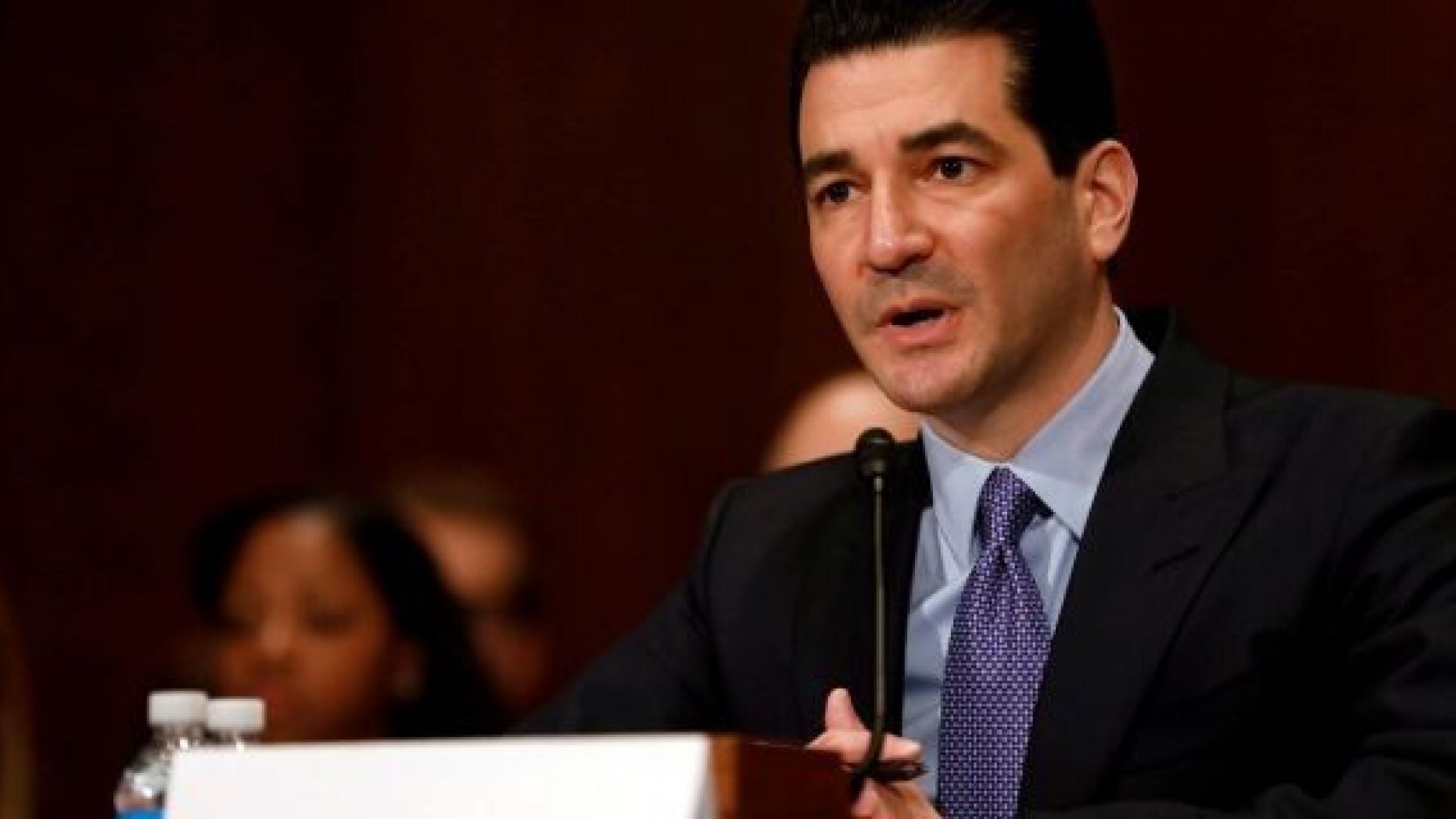
By Scott Gottlieb (original source Health Affairs)
“In recent years, considerable bipartisan Congressional action, leadership from both Democratic and Republican administrations, and broad-based multistakeholder collaborations have focused on improving the tools and regulatory processes at the Food and Drug Administration (FDA), other government agencies, and public-private collaborations to support more efficient and timely development of new medical technologies. Enhanced funding through user fees and the bipartisan Twenty-First Century Cures legislation have supported a robust and better-resourced FDA and enabled science-driven collaborations in a range of areas including innovative clinical trials, “patient-focused” drug development, and greater clarity around standards for regulatory approval of new technologies.”
Click here to read more
David Frum: Voting Against Trump
Notorious RINO and Atlantic writer David Frum joins Jamie Weinstein to explain why he’s voting for Kamala Harris this election. Frum, a former speechwriter for President…
Thought Leader: David Frum
This is the latest episode of Climbing Gold with Alex Honnold. Tucked away in a corner of Chilean Patagonia, Valle Cochamó wasn’t going to stay hidden…
Thought Leader: Alex Honnold
Sanjay Gupta: Self-Exams Matter
This is the latest episode of Chasing Life with Dr. Sanjay Gupta. Sara Sidner is a hard-hitting CNN journalist. Ananda Lewis is a content creator and former…
Thought Leader: Sanjay Gupta