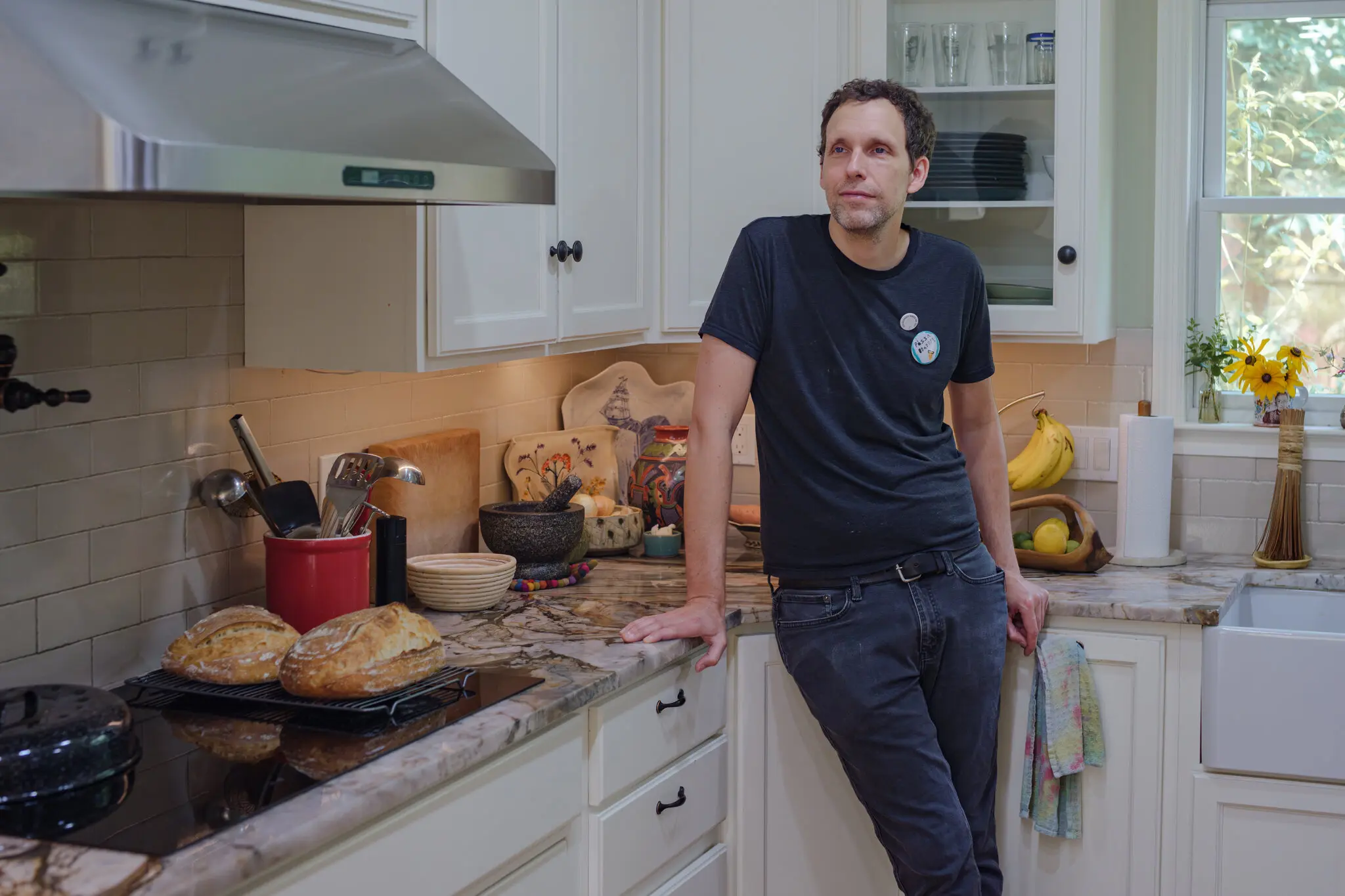
Peter Goodman: His Start-Up May Not Survive Trump’s Tariffs
A sourdough baker turned entrepreneur in North Carolina has delayed his new product as he contemplates the prospect that higher costs will doom his company.…
Thought Leader: Peter Goodman

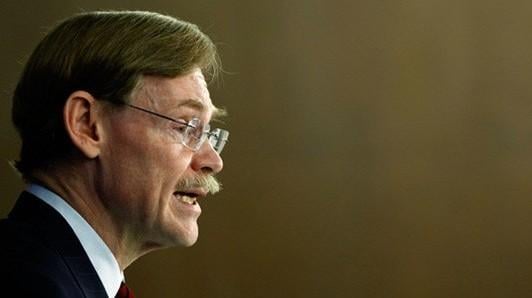
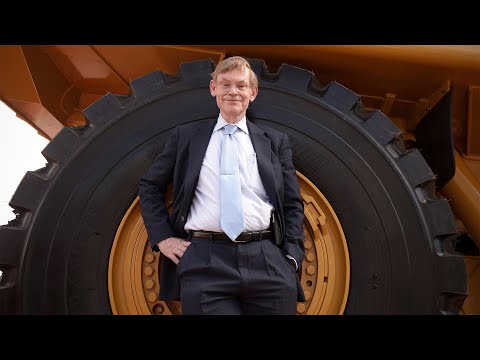
By Robert B. Zoellick (original source Wall Street Journal)
“In an uncertain world, America’s future security depends on both upgrading military capabilities and expanding economic opportunities. The Trans-Pacific Partnership, a trade accord among 12 countries accounting for almost 40% of the global economy, draws together these two strands of strategy. But TPP has been widely criticized by Republican and Democratic presidential candidates alike and faces an uphill battle in Congress.
Strategists have long recognized the interrelationship between economics and security. As early as 1787, John Jay pointed out in Federalist No. 4 that U.S. trade with Asia could one day lead to conflict. Over the years that followed, oceans that once barred foreign armies became highways for the U.S. Navy and mariners seeking markets. In 1854, Commodore Matthew Perry “opened” Japan to trade. In 1899, Secretary of State John Hayresisted imperialist designs to carve up China, as Africa had been, in favor of an “Open Door” policy to secure equal commercial opportunities.”
Click here to read more
Peter Goodman: His Start-Up May Not Survive Trump’s Tariffs
A sourdough baker turned entrepreneur in North Carolina has delayed his new product as he contemplates the prospect that higher costs will doom his company.…
Thought Leader: Peter Goodman
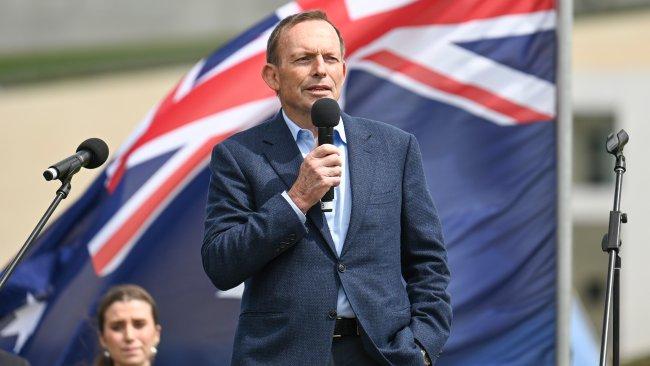
Tony Abbott calls for stronger action to end ‘pro-Hamas’ protests
Former prime minister Tony Abbott has called for stronger action on antisemitism in the wake of further attacks against the Jewish community, including tougher policing…
Thought Leader: Tony Abbott
Leana Wen: The Doctor Will See You Now. So Will the Lawyer.
Legal aid organizations are helping doctors address social barriers to patients’ health. During my residency training, when I worked shifts in the pediatric emergency department,…
Thought Leader: Leana Wen