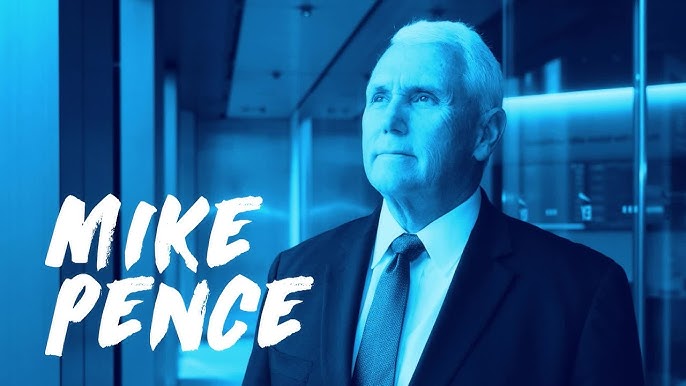
Mike Pence on Leadership and the Future of the Republican Party
Former US Vice President Mike Pence looks back on the events of January 6 2021, his final days in office with President Trump and his…
Thought Leader: Mike Pence


Having now surpassed the two-year mark of the COVID-19 pandemic, many are looking back at the precautions that were put in place and discussing whether they were right or wrong.
Dr. Michael Osterholm joined News Talk 830 WCCO’s Chad Hartman to discuss this and the continued fight to get people boosted as COVID-19 remains a threat.
Osterholm has continued to be critical of the Center for Disease Control and Prevention throughout the pandemic, most notably with mandates around cloth face coverings and other safety recommendations that he says don’t stop infection.
The doctor has shared his support for masking mandates, as long as they require a high-quality mask capable of stopping the spread of COVID-19.
“These cloth face coverings, these surgical masks are not effective, yet we led people to believe that, and I think we put people in harm’s way,” Osterholm said.
Osterholm continued saying that N95 or KN95 masks are the only ones capable of actually stopping the spread of the virus, something he noted everyone agrees with now but didn’t two years ago.
“I think that was an issue where I do have very strong feelings as well as scientific-based evidence to say they were wrong, that set us back,” Osterholm said.
On top of misguided mask mandates, Osterholm pointed to plexiglass coverings that had been put up in an effort to fight COVID, saying they were “totally useless.”
“We spent billions of dollars in this country creating what many people thought were safer public spaces, and it was wasted money,” Osterholm said.
Mike Pence on Leadership and the Future of the Republican Party
Former US Vice President Mike Pence looks back on the events of January 6 2021, his final days in office with President Trump and his…
Thought Leader: Mike Pence
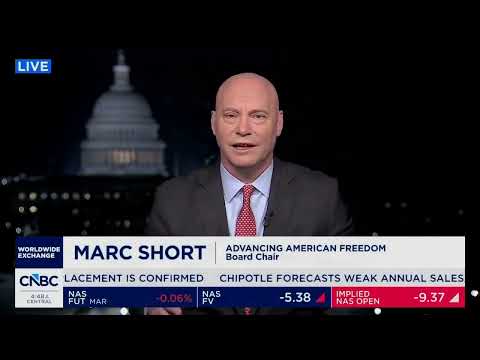
Marc Short on U.S. Investment in Critical Minerals
Why do critical minerals matter now? Marc Short explains how U.S. investment in critical minerals fits into a broader strategy around economic security, manufacturing, and…
Thought Leader: Marc Short
Marc Short on AI Policy and the Government’s Role in Chip Technology Investment
On CNBC, Marc Short breaks down the role of AI policy and how government investment is shaping the future of chip technology. A former Chief…
Thought Leader: Marc Short