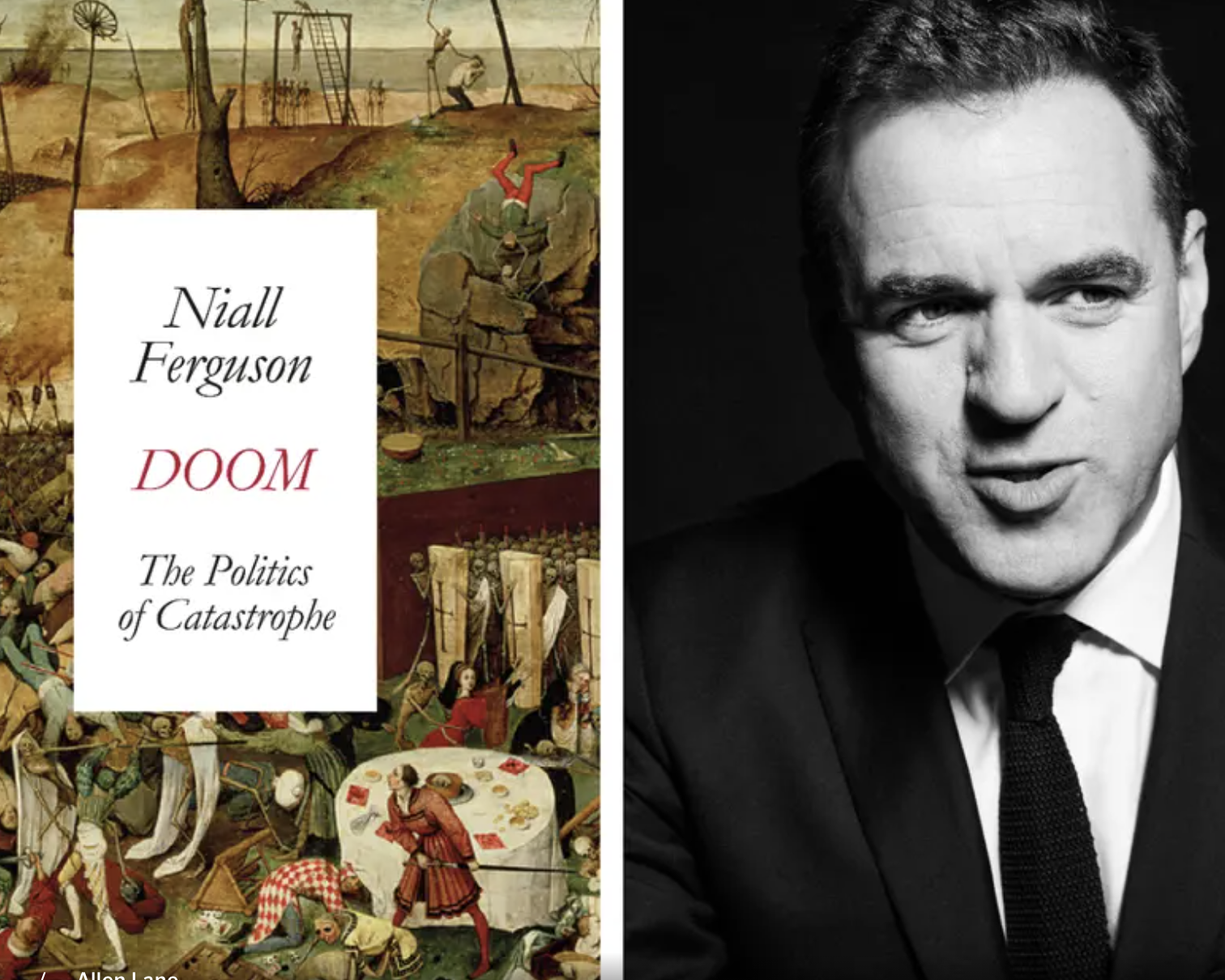
Doom: The Politics of Catastrophe by Niall Ferguson review
(Evening Standard) – From plagues and volcanic eruptions to the current Covid pandemic, mankind has always been faced with catastrophes.
Thought Leader: Niall Ferguson

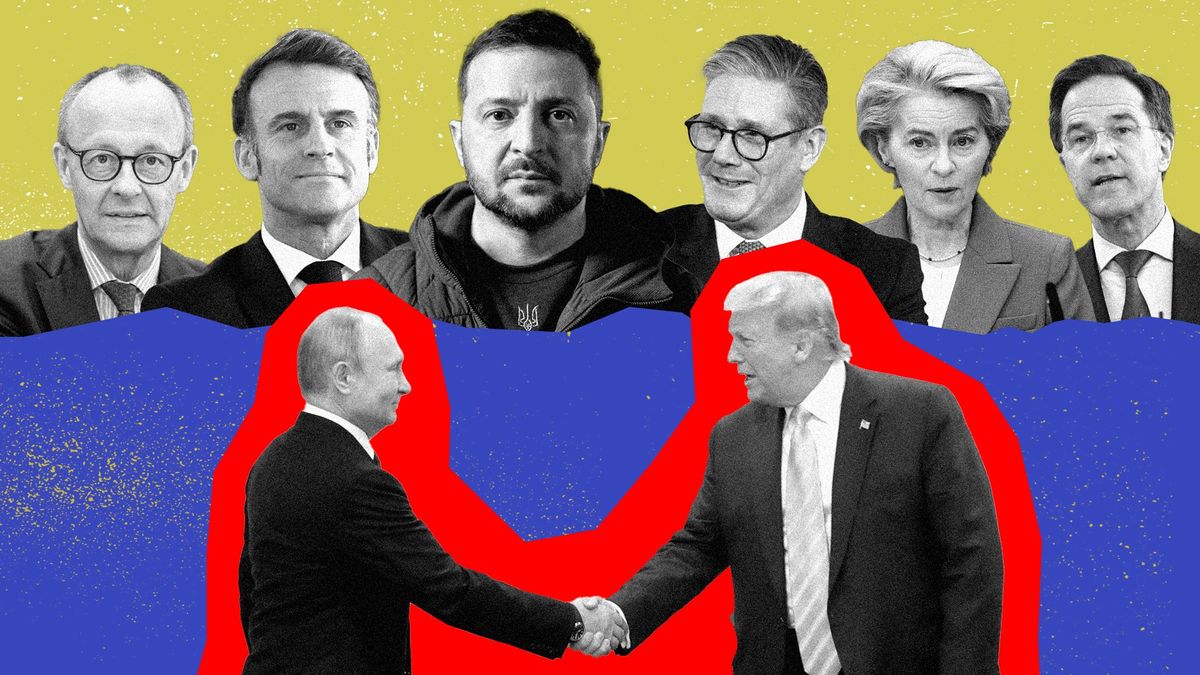
For generations, Europe has comfortably sat under the American security umbrella, content to let the United States shoulder the burden of its defense while it reaped the economic and geopolitical dividends of the resulting peace. But the events of the past week have exposed the fragility of this arrangement and laid bare the extent of America’s retreat from its role as guarantor of European security under President Donald Trump.
In a televised meeting with Volodymyr Zelensky last Friday, Trump declared himself “neutral” between Russia and Ukraine and “on the side of peace,” dismissing the Ukrainian president’s pleas for security guarantees before unceremoniously kicking him out of the White House. Days later, the Trump administration froze all military aid to Ukraine and suspended offensive cyber operations against Russia. the US also paused intelligence sharing with Kyiv, blinding the Ukrainian military and immediately crippling its ability to fight.
The message from these moves was clear: The United States is no longer on Ukraine’s side – and by extension, it may no longer be on Europe’s side either. If the US is willing to abandon a country whose security is indivisible from Europe’s – and a pro-American democracy we were committed to protect, no less – why wouldn’t he do the same to an EU or NATO member? The realization that Trump’s turn away from Kyiv is genuine sent shockwaves through European capitals, seemingly galvanizing them to finally start taking a leadership role for both Ukraine’s and their own defense.
Doom: The Politics of Catastrophe by Niall Ferguson review
(Evening Standard) – From plagues and volcanic eruptions to the current Covid pandemic, mankind has always been faced with catastrophes.
Thought Leader: Niall Ferguson
Michael Baker: Ukraine’s Faltering Front, Polish Sabotage Foiled, & Trump vs. Kamala
In this episode of The President’s Daily Brief with Mike Baker: We examine Russia’s ongoing push in eastern Ukraine. While Ukrainian forces continue their offensive…
Thought Leader: Mike Baker
Peter Zeihan: What Does the Future Hold for Taiwan and Semiconductors?
From Peter Zeihan: Taiwan has positioned itself as the dominant player in the semiconductor industry, but what would happen if a conflict with China broke…
Thought Leader: Peter Zeihan
Ian Bremmer on Iran’s “No Damage” Propaganda
Thought Leader: Ian Bremmer
Ian Bremmer: Iran’s Retaliation Shows Strategic Weakness
Thought Leader: Ian Bremmer
Ian Bremmer: Iran looks to negotiate ceasefire
Thought Leader: Ian Bremmer