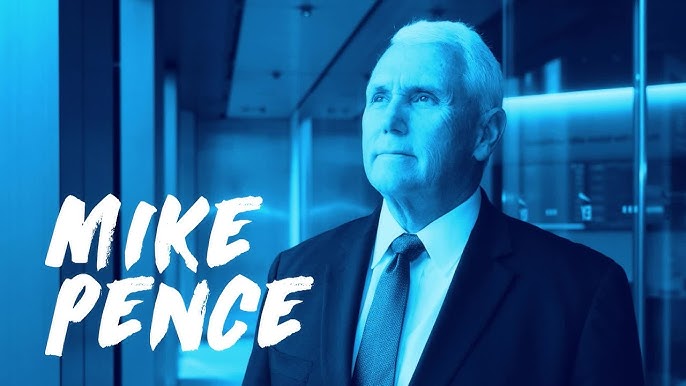
Mike Pence on Leadership and the Future of the Republican Party
Former US Vice President Mike Pence looks back on the events of January 6 2021, his final days in office with President Trump and his…
Thought Leader: Mike Pence

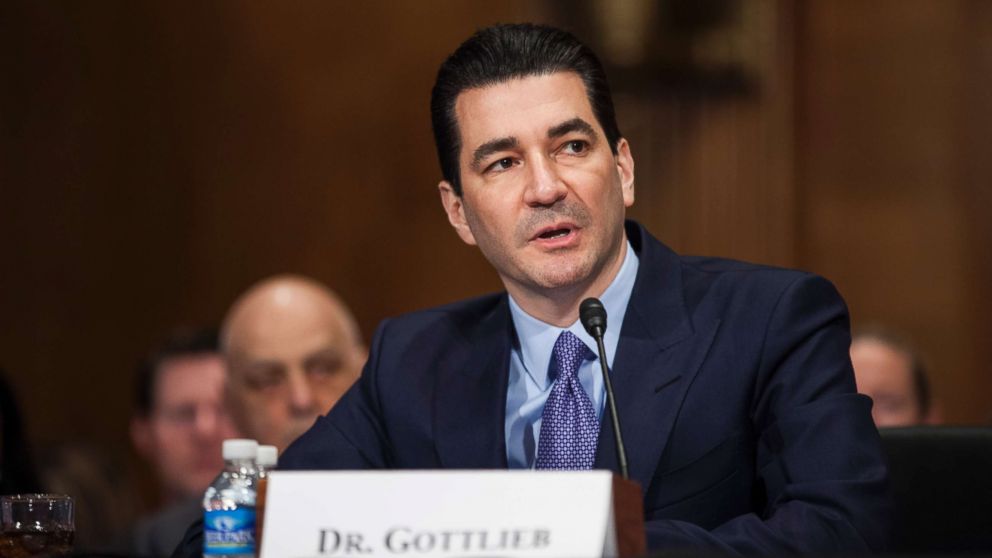
By Scott Gottlieb (original source The Wall Street Journal)
“Covid-19 may be here for a long time. As work and activities begin to resume, there will continue to be risk and many new precautions. But for people who were exposed to the virus and recovered, the risk is much lower. Knowing if you had the infection and recovered will soon take on added importance.
There are two main types of immunity to an infection. Innate immunity comes from circulating cells that attack any invader the body views as foreign. Adaptive immunity is specific to the pathogen presented. Through adaptive response, immune cells are programmed to secrete antibodies that are primed to target a viral invader.
These antibodies can circulate for a long time and make a person immune to reinfection. Whether people infected with Covid-19 develop lasting immunity hasn’t been established with certainty. But it’s clear that infection triggers a strong immune response and the production of neutralizing antibodies. There’s still a lot to learn. But if this virus behaves like others, including other coronaviruses, there’s reason to believe that these antibodies are protective at least for a year or so.”
Click here to read more
Mike Pence on Leadership and the Future of the Republican Party
Former US Vice President Mike Pence looks back on the events of January 6 2021, his final days in office with President Trump and his…
Thought Leader: Mike Pence
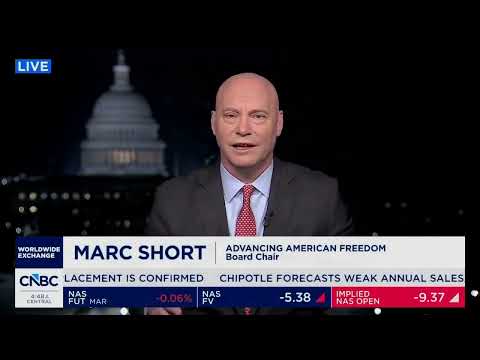
Marc Short on U.S. Investment in Critical Minerals
Why do critical minerals matter now? Marc Short explains how U.S. investment in critical minerals fits into a broader strategy around economic security, manufacturing, and…
Thought Leader: Marc Short
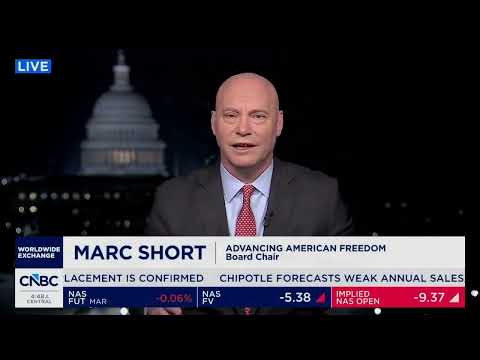
Marc Short on AI Policy and the Government’s Role in Chip Technology Investment
On CNBC, Marc Short breaks down the role of AI policy and how government investment is shaping the future of chip technology. A former Chief…
Thought Leader: Marc Short
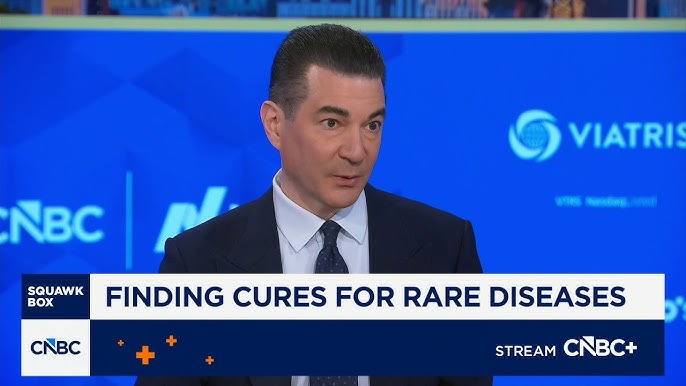
Dr. Scott Gottlieb on Finding Cures for Rare Diseases
Thought Leader: Scott Gottlieb
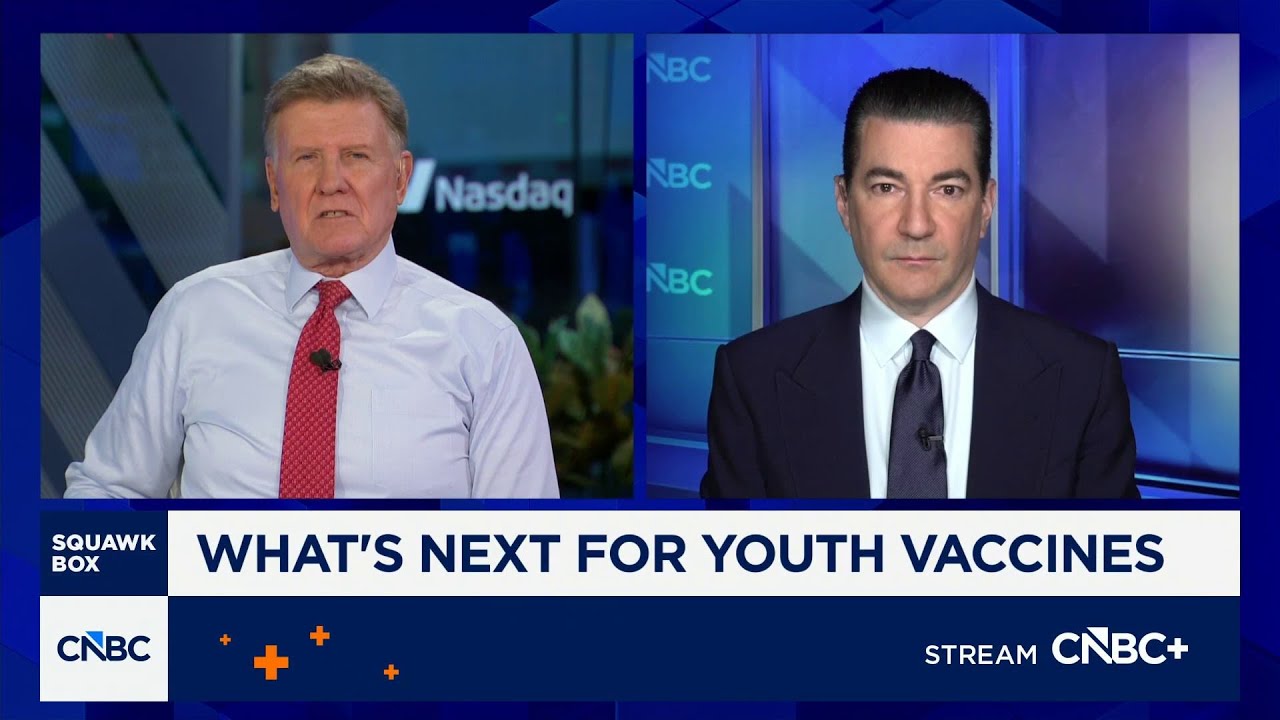
Dr. Scott Gottlieb: What’s Next for Childhood Vaccines
Thought Leader: Scott Gottlieb
Scott Gottlieb on China’s biotech strategy
Thought Leader: Scott Gottlieb