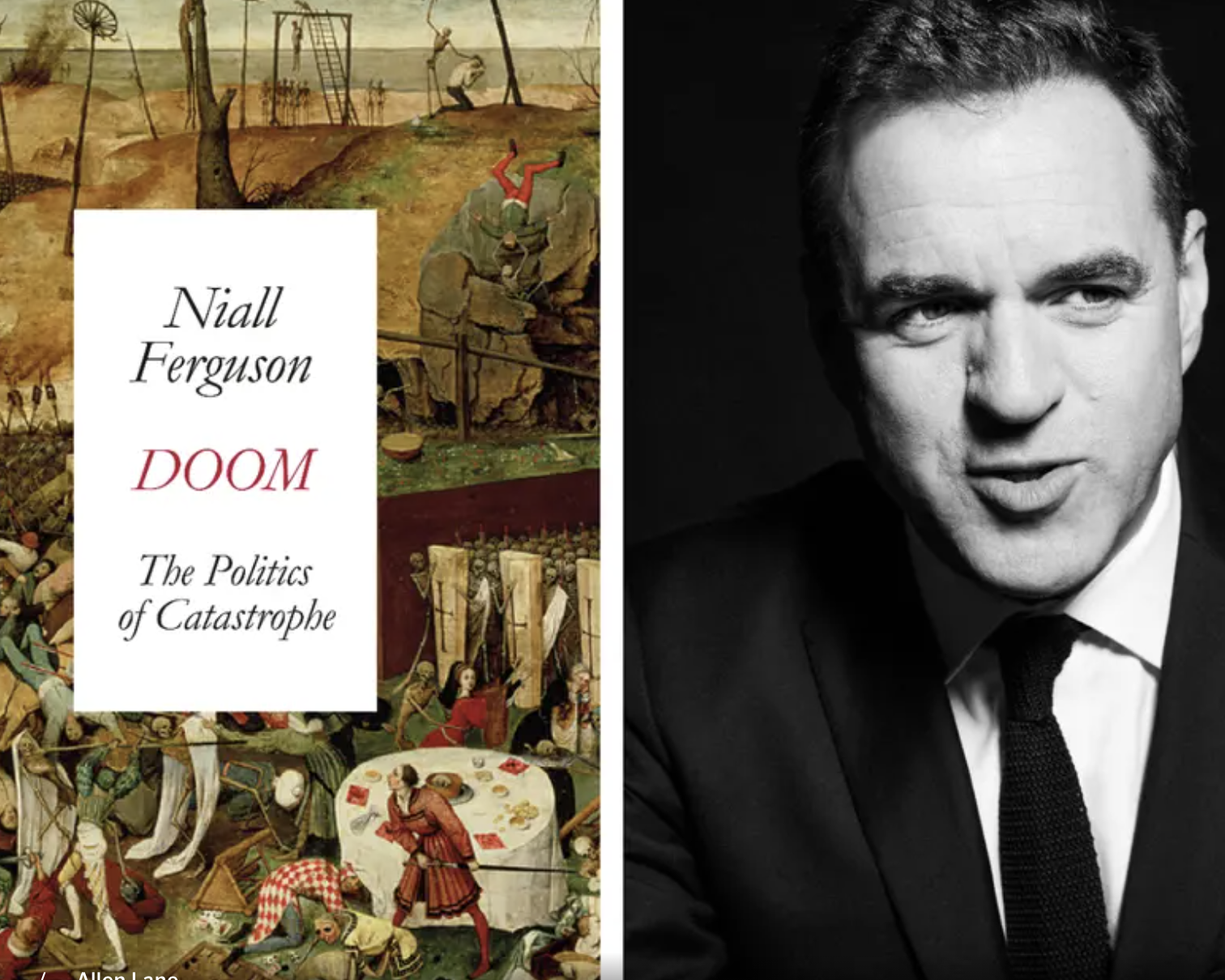
Doom: The Politics of Catastrophe by Niall Ferguson review
(Evening Standard) – From plagues and volcanic eruptions to the current Covid pandemic, mankind has always been faced with catastrophes.
Thought Leader: Niall Ferguson


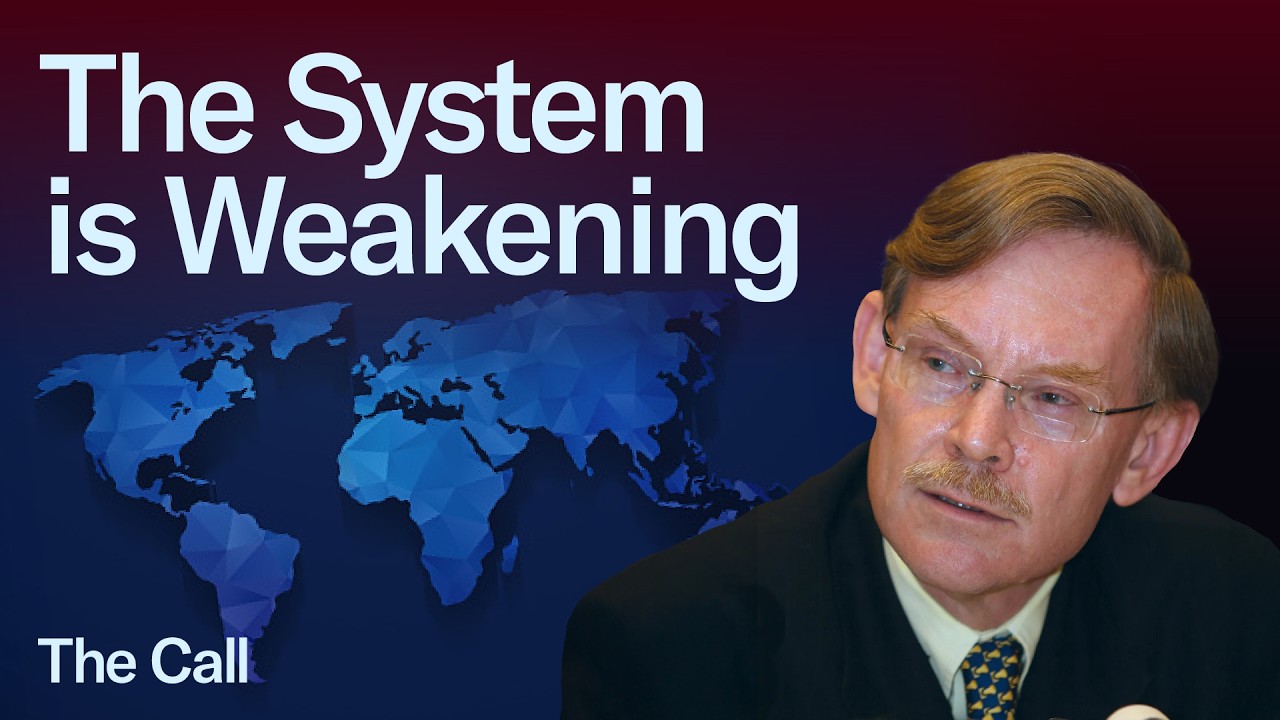
In a recent Wall Street Journal opinion piece, former World Bank president and U.S. trade representative Robert Zoellick examines the newly released 2025 White House National Security Strategy and what it reveals about Vice President JD Vance’s worldview and the administration’s emerging foreign policy doctrine.
Zoellick argues that while the strategy is unlikely to restrain President Trump’s deal-driven ambitions to position himself as a “president of peace,” it offers a revealing blueprint for how his advisers envision reshaping the global order after the collapse of post–World War II norms. The document blends traditional balance-of-power geopolitics with an unusual emphasis on cultural, spiritual, and civilizational renewal—an approach Zoellick likens to pre-World War I thinking centered on spheres of influence, nationalized economies, and competing visions of greatness.
Region by region, the strategy signals sharp departures from past U.S. policy. In the Western Hemisphere, it proposes a “Trump Corollary” to the Monroe Doctrine, tying foreign policy directly to domestic concerns such as migration and drug trafficking, and favoring coercive economic tools over U.S. soft power. Europe sees the most dramatic shift: the strategy rejects shared sovereignty, treats Europe and Russia as politically comparable, and frames Ukraine as an obstacle to a negotiated settlement rather than a frontline of European security. Zoellick warns that this outlook echoes rhetoric from Moscow and underestimates the long-term risks of accommodating Russian expansion.
In the Indo-Pacific, despite rhetoric about strategic priority, the plan focuses largely on economic protectionism and supply-chain security, with limited strategic imagination. The Middle East is approached through a desire for U.S. retrenchment, relying on Gulf states and Israel to uphold regional stability, while Africa is largely reduced to a source of raw materials.
Zoellick highlights how populist grievance—centered on resentment of elites, globalization, immigration, and foreign burdens—undergirds the strategy. At the same time, the document advances its own form of ideological globalism: defending national cultures against foreign influence while assuming American “greatness” will inspire renewal abroad. Economically, the strategy leans heavily on tariffs, industrial policy, and state direction, prioritizing worker protection over growth, while largely sidestepping how expanded military and industrial ambitions would be funded.
Ultimately, Zoellick contrasts this vision with the lessons of the last century. He argues that America’s postwar success rested on alliances, open trade, economic integration, and immigration—tools that strengthened U.S. power rather than diluted it. While acknowledging echoes of Theodore Roosevelt’s realism, Zoellick cautions that the strategy ignores how global conflicts once directly threatened U.S. security and why cooperative leadership became essential.
Zoellick concludes that the architects of this strategy have made their intentions clear—and that those concerned about the risks of this historical pivot must engage openly in the debate.
Readers can explore the full Wall Street Journal article for Zoellick’s complete analysis and historical context.
Robert Zoellick’s expertise in global economics, diplomacy, and international security makes him a compelling keynote speaker for today’s most pressing geopolitical challenges. As a former World Bank president and U.S. trade representative, he offers unmatched insights into economic leverage, international negotiations, and strategic policymaking. His ability to break down complex global conflicts—like the war in Ukraine—and propose actionable solutions ensures his keynotes are both thought-provoking and highly relevant. Zoellick’s speaking engagements are managed exclusively by WWSG. To host him as your next keynote speaker, contact us.
Doom: The Politics of Catastrophe by Niall Ferguson review
(Evening Standard) – From plagues and volcanic eruptions to the current Covid pandemic, mankind has always been faced with catastrophes.
Thought Leader: Niall Ferguson
Time to end secret data laboratories—starting with the CDC
The American people are waking up to the fact that too many public health leaders have not always been straight with them. Despite housing treasure…
Thought Leader: Marty Makary
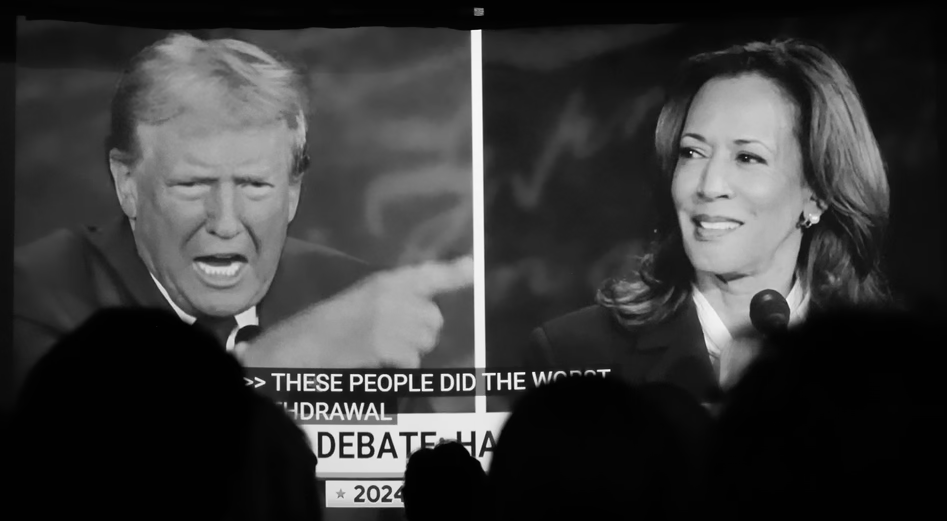
David Frum: How Harris Roped a Dope
This piece is by WWSG exclusive thought leader, David Frum. Vice President Kamala Harris walked onto the ABC News debate stage with a mission: trigger…
Thought Leader: David Frum