Doom: The Politics of Catastrophe by Niall Ferguson review
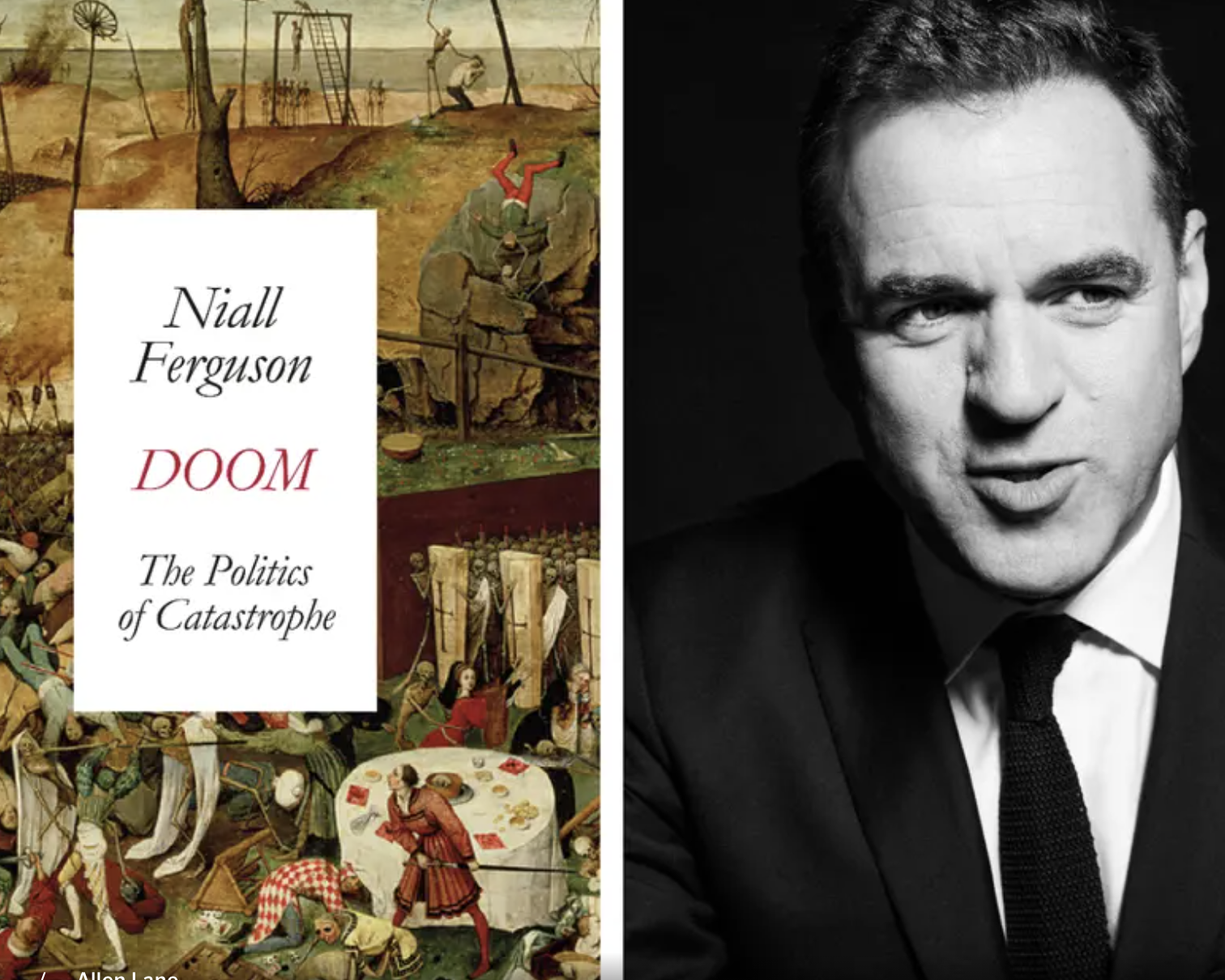
(Evening Standard) – From plagues and volcanic eruptions to the current Covid pandemic, mankind has always been faced with catastrophes.
Thought Leader: Niall Ferguson

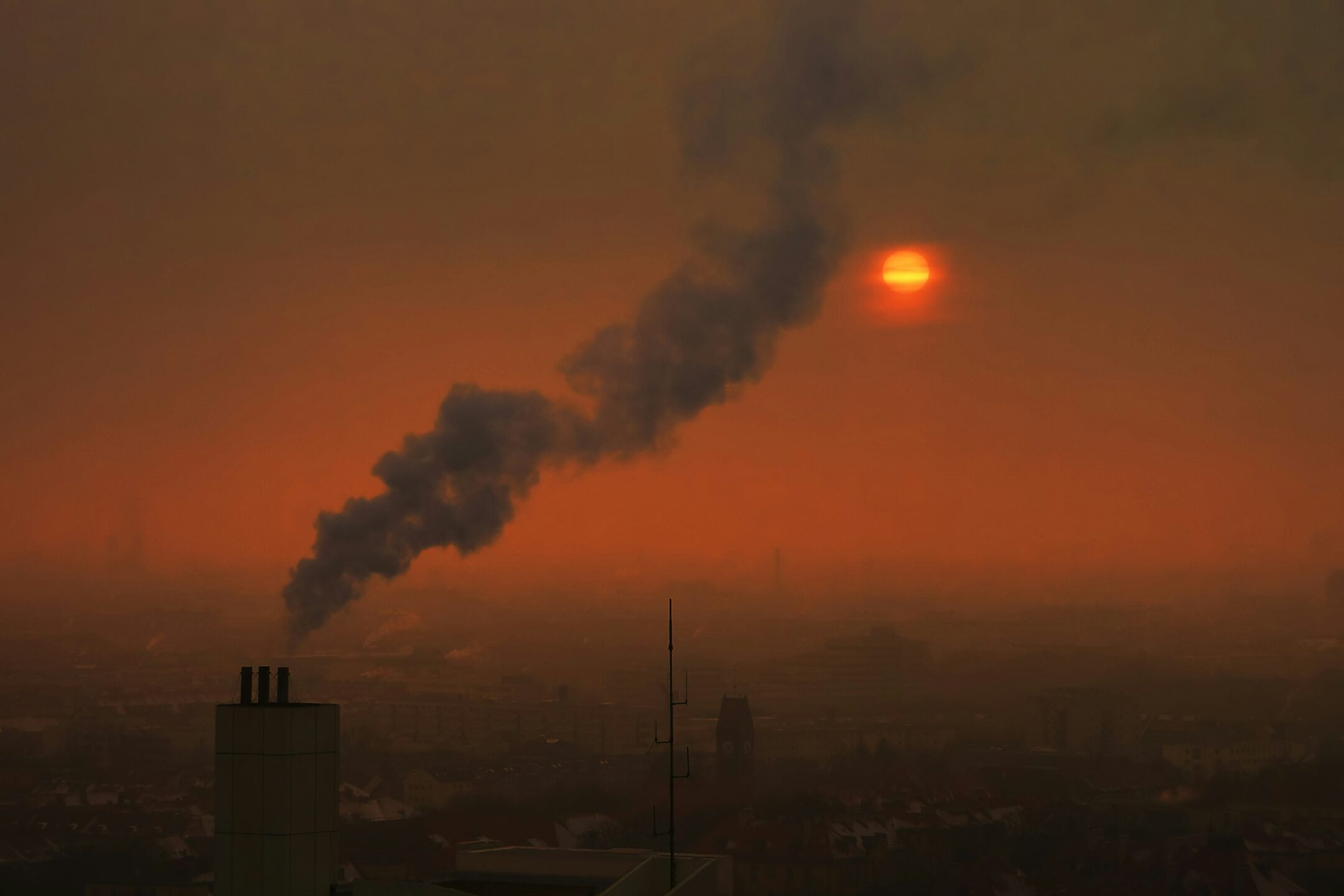
This summary is based on a New York Times article by Peter S. Goodman and Will Fitzgibbon examining Nigeria’s response to widespread lead poisoning caused by battery recycling factories supplying the global auto industry.
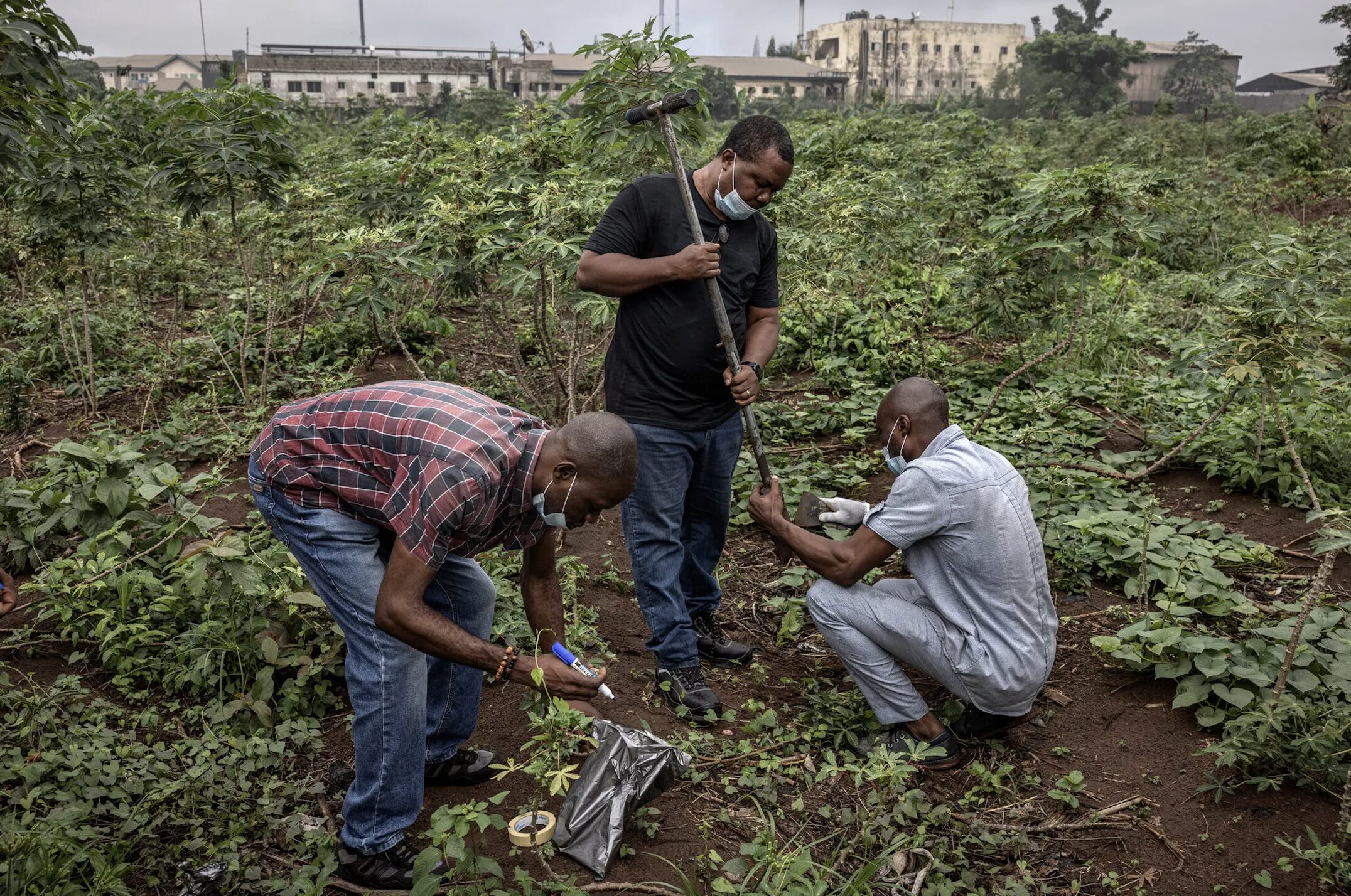
Following the investigation’s publication, the Nigerian government launched one of the most aggressive public health campaigns in its history to confront lead contamination in Ogijo, an industrial town outside Lagos. Authorities shut down recycling plants, deployed scientists to test soil and air quality, and announced plans to conduct blood tests on hundreds of nearby residents. Earlier testing commissioned by the investigation found that approximately 70% of participants had lead poisoning, including children with levels associated with permanent brain damage.
The article details how lead—an essential component of car batteries—is largely sourced from recycled batteries. As U.S. regulations tightened to protect Americans from lead exposure, battery manufacturers increasingly turned to overseas suppliers. Ogijo emerged as a major hub for lead recycling in Africa, but lax oversight allowed factories to release toxic smoke and dust into surrounding communities for years.
Goodman and Fitzgibbon report that the auto industry has long been aware of the dangers posed by poorly regulated international recycling operations, yet resisted inspection and certification programs designed to prevent harm. While the shutdown of the Ogijo plants could push companies to invest in cleaner technology and safer practices, experts warn that without binding industry standards, manufacturers may simply shift sourcing to other countries. Trade data already shows lead exports beginning in Ivory Coast.
The article also captures the human toll of the crisis. Some residents express cautious optimism that the government’s actions will lead to lasting change, while others face economic hardship and social backlash for speaking out, as the factories provided scarce employment. Nigerian lawmakers are now considering compensation, relocation assistance, and a coordinated effort to trace lead exports and manage cleanup and medical care—raising broader questions about accountability, global supply chains, and environmental justice.
Read the full New York Times article here.
Peter S. Goodman is a standout keynote speaker on global economics, trade policy, and financial markets, known for his ability to translate complex economic shifts into clear, compelling narratives. Goodman offers a vital perspective on the geopolitical and economic consequences of policy chaos, making him an essential voice for audiences seeking to understand the fragility of markets in an age of uncertainty. His speaking engagements are managed exclusively by WWSG. To host him for your events, contact us.
Doom: The Politics of Catastrophe by Niall Ferguson review
(Evening Standard) – From plagues and volcanic eruptions to the current Covid pandemic, mankind has always been faced with catastrophes.
Thought Leader: Niall Ferguson
One reason so many are quitting: We want control over our lives again
The pandemic, and the challenges of balancing life and work during it, have stripped us of agency. Resigning is one way of regaining a sense…
Thought Leader: Amy Cuddy
Molly Fletcher: Can drive offset your burnout at work?
This piece is by Molly Fletcher. People assume that drive depletes energy. They believe that level of intensity, focus and daily effort leads to burnout.…
Thought Leader: Molly Fletcher
Peter Goodman: The Messy Reality of ‘Made in America’
Thought Leader: Peter Goodman
Peter Goodman on the Cost of “Clean” Tech
Thought Leader: Peter Goodman