In this Brookings Podcast on Economic Activity discussion, economist Pierre Yared explains why the long era of low and stable inflation before 2021 may have been supported not only by effective central banking, but also by powerful global trends that made inflation easier to control. He argues that globalization, market liberalization, fiscal discipline, and declining unionization all helped suppress prices and wages, reducing inflationary pressures across advanced economies.
Yared’s central message is that many of those favorable conditions are now reversing. He points to deglobalization, geopolitical fragmentation, supply-chain restructuring, and changing fiscal and political pressures as factors that could make inflation more volatile in the years ahead. Rather than predicting permanently high inflation, Yared suggests that economies may experience more frequent inflation spikes as governments and central banks navigate these new challenges.
He also emphasizes that central banks will face growing political pressure as policymakers balance inflation control against competing priorities such as employment, economic growth, government spending, and public dissatisfaction with high interest rates. Ultimately, Yared argues that maintaining price stability will require renewed commitment to central bank independence and inflation-targeting frameworks in an increasingly complex global environment.
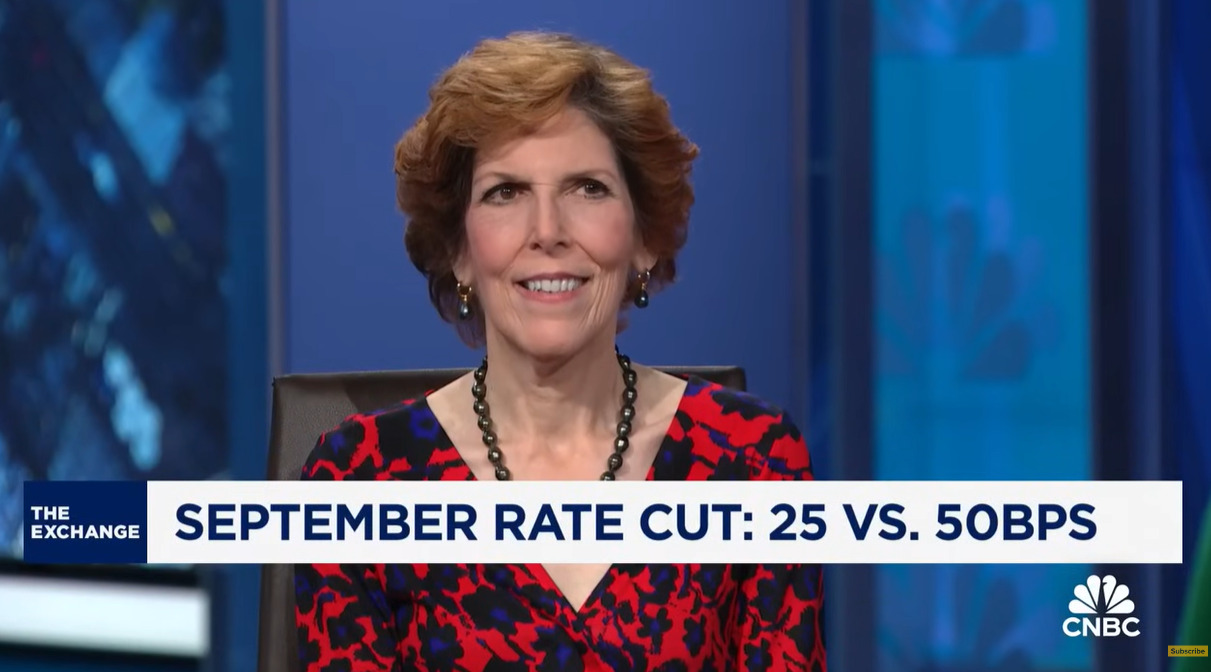
Former Cleveland Fed president Loretta Mester joins CNBC’s ‘The Exchange’ to discuss her expectations for rate cuts, whether the Fed’s focus should be on rates…
Canadian businessman and investor Kevin O’Leary has slammed Kamala Harris’ “crazy” ideas for the US economy. Speaking with Fox News on Monday, the Shark Tank…
This piece is by WWSG exclusive thought leader, Sara Fischer. An international fund that supports independent media on Wednesday unveiled an ambitious plan to raise…